Your storefront is one of the first things potential customers notice, and the right storefront signs can turn that first glance into genuine interest. Nearly two-thirds of consumers say a main storefront sign catches their attention, showing why attractive business signs are important for shops in busy streets.
A well-designed storefront sign works like a silent salesperson, promoting your company throughout the day while helping your premises become easier to recognise.
From custom shop signs and illuminated lettering to printed window graphics, banners and promotional sale signs, businesses can combine multiple sign types to create stronger visibility and encourage more footfall. Around 68–75% of shoppers have also reported making a purchase because signage caught their attention.
In this guide, we explore why storefront signs matter, the design aspects that make them effective, the main types of retail signs, and how signage can influence customer behaviour. We will also look at brand colours, materials, illumination, indoor and outdoor use, and how the right custom signage can help your shopfront reflect the character of your business.
What Are Storefront Signs?
Storefront signs are visual signs and displays positioned on or around the exterior of a shop or commercial premises to identify the business, communicate its brand and attract passing customers. They can include fascia signs, projecting signs, 3D lettering, LED signs, window graphics, vinyl lettering, pavement boards and printed banners.
Effective retail signage should be clear, professional and readable while matching the wider identity of the business. For example, vinyl lettering works particularly well on shop windows and glass doors, while wall-mounted options can include snap frames and LED signs. Banners and event flags can provide eye-catching temporary advertising, while shelf signs and promotional displays inside the interior can draw attention to specific products and offers.
The best approach will depend on the location, available space, desired modern aesthetic and whether the sign is intended for indoor or outdoor use.
Businesses should also research local planning requirements and building regulations early, as certain locations or installations may require particular materials, permissions or fitting methods. Doing this before finalising the artwork can help avoid unnecessary changes later.
Why Storefront Signage Matter in Modern Retail
In the crowded landscape of modern retail, businesses are constantly fighting for visibility. Storefront signs play a central role in that battle.
First Impressions that Last
Your storefront is often the first physical interaction a customer has with your brand. Just as an untidy shop window can deter visitors, a neglected sign can send the wrong message about quality or reliability. On the other hand, attractive business signage signals professionalism and gives potential customers confidence in your products or services.
For more detailed guidance on choosing, designing, and installing effective business signage, check out our guide on business signage ideas that reinforce your brand identity.
A 24/7 Advertising Tool
Unlike other forms of advertising, storefront signs work around the clock. They don’t rely on algorithms, broadcasting schedules, or media spend. Instead, they constantly market your business to anyone passing by pedestrians, commuters, or drivers. In effect, they provide a form of outdoor advertising that is both cost-effective and long-lasting.
Differentiation in a Competitive Market
On a busy high street, multiple businesses may be competing for attention in the same line of sight. A unique shopfront signboard can stop people in their tracks and make your shop stand out from the competition. The right combination of typography, colours, and lighting helps reinforce your brand identity and prevents it from blending into the background.
Design Principles for Eye-Catching Storefront Signs
The best signage combines design discipline with brand strategy. Every decision from font choice to placement affects how customers perceive your business. Here are the key design principles for storefronts every business should consider.
1. Clarity Above All
The most effective storefront signs deliver information quickly. Your brand name should be easy to read from a distance, and any additional details such as services, opening hours, or a tagline should be secondary. Avoid clutter and keep the message concise. Overcrowding a sign with too much text or imagery reduces readability and weakens impact.
2. Brand Consistency
Your sign is an extension of your brand identity. The colours, typography, and visual style should align with other brand materials such as packaging, digital marketing, and advertising. Consistency builds trust, while inconsistency can confuse customers and weaken recognition. A cohesive approach ensures your storefront sign reinforces, rather than contradicts, your wider brand message.
3. Effective Use of Colour Contrast
Contrast is essential for legibility. Light text on a dark background or vice versa ensures that your sign can be read in varying light conditions. Poor contrast, such as grey text on a white background, risks invisibility. When choosing colour combinations, consider not only aesthetics but also functionality. Remember: high visibility equals high impact.
4. Scalability of Design
A storefront sign must be legible from both near and far. This means considering how the design scales at different distances. Large, bold lettering ensures readability from across the street, while finer details such as taglines or decorative elements should enhance rather than clutter the design. Test how your signage looks from multiple vantage points before committing.
5. Lighting and Illumination
Visibility doesn’t end when the sun goes down. Illuminated storefront signs extend your visibility into the evening, helping businesses capture foot traffic even after dark. Options include backlit logo sign, neon, LED lightboxes, and spotlighting. Proper lighting not only increases readability but also creates atmosphere and reinforces your brand’s personality.
6. Materials and Durability
A sign is an investment. Choosing the right materials ensures it withstands weather, pollution, and wear over time. High-quality materials like acrylic, aluminium, or weather-resistant wood provide both durability and aesthetic appeal. Customers often equate the quality of storefront signs with the quality of the products or services inside.
7. Uniqueness and Creativity
In competitive retail environments, originality matters. Creative touches whether through innovative shapes, clever taglines, or distinctive design features can stop customers in their tracks. The most memorable shop signage often balances simplicity with creativity, creating a design that is both practical and distinctive.
Types of Storefront Signs and Their Impact
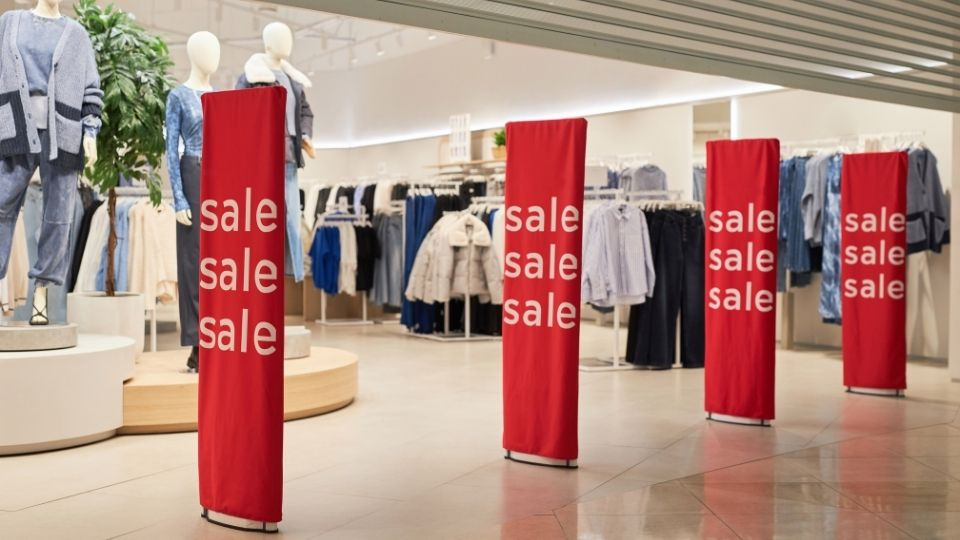
Not all storefront signs are created equal. Different types of signage suit different business models, locations, and customer bases. Understanding the options available helps business owners select signage that not only attracts attention but also communicates brand identity effectively.
1. Fascia Signs
Fascia signs are the most traditional type positioned directly above the entrance of a shop. They display the business name and logo, making them essential for identification. A clean, well-designed fascia sign ensures that passers-by can immediately recognise your business.
2. Projecting or Hanging Signs
Projecting signs extend outward from the building facade, allowing visibility from both directions of the street. These are particularly useful in busy urban areas where foot traffic flows along narrow pavements. A projecting sign can catch attention that a flat sign might miss.
3. Window Graphics
Shop windows are prime advertising real estate. Window graphics can be used to highlight promotions, services, or simply reinforce brand imagery. They’re cost-effective, easily updated, and work well in combination with permanent signage. Transparent or frosted designs can also add an element of privacy while maintaining aesthetics.
Discover our guide to shop window display ideas and learn how to create eye-catching displays that encourage more people to step inside.
4. Awning Signs
An awning sign combines shelter with branding. The fabric canopy provides protection from weather while displaying the business name or logo. Restaurants, cafés, and boutiques often favour this style, as it extends branding onto the pavement and adds visual charm.
5. 3D Lettering and Dimensional Signs
Raised lettering or logos give a storefront sign depth and a premium look. Materials like acrylic, wood, or metal can be used to create bold effects. 3D signs catch light and shadows differently throughout the day, ensuring constant visual interest. They’re especially effective for businesses aiming to project sophistication and modernity.
6. Illuminated and Neon Signs
For businesses that operate in the evening—restaurants, bars, convenience shops—illumination is essential. LED backlit signs, neon lettering, and lightboxes not only ensure visibility at night but also create atmosphere. Neon signs, in particular, have a nostalgic charm that appeals to younger audiences seeking Instagram-worthy spots.
7. Pavement Signs (A-Boards)
Freestanding pavement signs placed just outside a shop extend visibility beyond the storefront itself. They are especially useful for advertising daily offers or seasonal promotions. Because they are movable, businesses can position them strategically depending on foot traffic.
8. Digital Signage
Digital storefront signs use LED screens to display dynamic content. From scrolling text to full-motion video, they allow businesses to update messages instantly. Though a bigger investment, digital signage is highly versatile and eye-catching, making it particularly effective in high-traffic areas.
How Storefront Signs Influence Customer Behaviour
Storefront signs don’t just identify a business; they actively shape how customers think, feel, and behave. From sparking curiosity to driving impulse purchases, signs are powerful psychological tools that influence consumer decision-making in subtle but measurable ways.
Capturing Attention in Seconds
The average passer-by gives only a few seconds of attention to their surroundings. A bold, well-designed storefront sign can interrupt this fleeting attention span and redirect focus to your business. Eye-catching colours, contrast, and unique shapes all work together to draw the eye, increasing the likelihood that a potential customer will pause.
Setting Expectations
A sign conveys more than a name; it communicates what customers can expect inside. Elegant gold lettering may suggest luxury goods, while playful fonts and bright colours indicate affordability or family-friendly products. In this way, storefront signs act as promises—subtly influencing whether customers believe a shop aligns with their needs.
Encouraging Impulse Decisions
Many retail purchases are driven by impulse. When storefront signs advertise promotions—such as “50% off today only” or “new arrivals”—they can push passers-by to make unplanned stops. Strategic wording and positioning create urgency and encourage immediate action.
Building Familiarity and Trust
The more often someone sees a sign, the more familiar and trustworthy the business becomes in their mind. This is known as the “mere exposure effect.” Over time, consistent storefront signage builds recognition, making customers more likely to choose that business when they have a need. To understand how signage strengthens trust at a community level, you can also read our in-depth article: Local Signage That Builds Community Trust and Footfall.
Guiding Navigation
Clear signage doesn’t only attract; it guides. For example, directional arrows, illuminated signs, or bold projecting boards help customers navigate crowded high streets. Easy navigation reduces frustration and ensures a seamless journey into the store.
Differentiating from Competitors
On a busy street where several shops offer similar products, the deciding factor often comes down to visibility and perceived professionalism. A modern, attractive storefront sign can make one shop seem more credible or appealing than the shop next door—even if the products are identical.
The Role of Storefront Signs in Branding
For many businesses, branding is the difference between being forgotten and being remembered. Storefront signs are one of the most visible and enduring expressions of a brand’s identity. They don’t just display a name they embody values, personality, and promise.
Learn how to turn your storefront into a powerful branding tool in our detailed guide to Choosing Effective Shop Signs for UK & Manchester Businesses.
Consistency Across Touchpoints
Strong brands are built on consistency. The colours, typography, and logos used on storefront signs should align with those used on packaging, websites, and advertising. This seamless connection across touchpoints reinforces brand identity and helps customers instantly recognise your business, whether they encounter it online or on the high street storefront.
Building Long-Term Recognition
Branding isn’t built overnight. Storefront signs play a critical role in the slow, steady process of recognition. When people pass by your shop regularly even if they don’t enter immediately the repeated visual exposure creates familiarity. Over time, this familiarity becomes trust, and trust turns into loyalty.
Ready to Upgrade Your Retail Signage?
Whether you need custom shop signs, fascia signage, 3D lettering, window graphics, printed banners or complete retail signage, Manchester Signs Centre can support your project from the initial idea through to production and installation.
Our team designs and manufactures the variety of Manchester storefront signs and provides professional installation, helping businesses create signs that match their brand and location.
Share your existing artwork, logo, preferred brand colours and shopfront details, or speak to the team if you are not yet sure which solution is right for the job. With free design support, no-obligation quotations and fast turnaround options across a range of signage products, you can move forward with your project feeling confident that your signage is being developed around your business requirements.
Ready to bring your storefront to life? Contact us to discuss your signage project.
Frequently Asked Questions
What materials are best for custom shop signs?
The choice of material depends on the location, budget, and desired look. Common options include acrylic, aluminium, wood, and PVC. For premium storefront signs, many businesses choose metal or dimensional lettering for durability and sophistication. Weather-resistant materials are essential for outdoor signs exposed to the elements.
Are illuminated retail signs worth the investment?
Yes. Illuminated storefront signs extend visibility into the evening, making them especially valuable for shops, restaurants, and businesses open late. LED lighting is cost-efficient and provides a modern look, while neon signs create a nostalgic or trendy atmosphere. Illumination ensures that your brand works 24/7, not just during daylight hours.
Can digital storefront signs replace traditional signage?
Digital storefront signs offer flexibility and dynamic content, allowing businesses to change messages instantly. However, they are not a complete replacement for traditional signage. A permanent sign provides stability and identity, while digital storefront signs are ideal for promotions and seasonal campaigns. Using both together maximises impact