Window frosting is no longer just a subtle design choice, it has evolved into a multifunctional solution for homes, offices, and commercial spaces. Whether you need to shield interiors from prying eyes, create a stylish design element, or improve light diffusion, window frosting offers a perfect balance of privacy, aesthetics, and practicality.
In the UK, demand for frosted window film and decorative window frosting has surged as property owners recognise its benefits beyond basic privacy. With modern materials and designs, window frosting can be tailored to suit almost any environment, from sleek corporate meeting rooms to cosy residential kitchens. Unlike heavy blinds or opaque curtains, frosting maintains natural light while delivering visual comfort.
In this guide, we’ll explore the many faces of window frosting—its types, benefits, design versatility, and installation considerations—so you can make an informed decision for your space.
Understanding Window Frosting
Window frosting is a treatment applied to glass to create a translucent, matte finish that obscures visibility while allowing light to pass through. In the UK market, it is most commonly achieved using self-adhesive frosted window film or through specialised glass etching processes.
The finish itself can range from a subtle haze to a bold, decorative design, depending on the technique and material used. The most popular approach for both residential and commercial applications is frosted window film, due to its affordability, flexibility, and ease of installation compared to permanently etched glass.
Key purposes of window frosting include:
- Privacy: Prevents direct line-of-sight without blocking daylight.
- Aesthetics: Adds a clean, contemporary look to interiors and exteriors.
- Functionality: Reduces glare, diffuses sunlight, and can display branding in business settings.
Common Materials and Methods
- Self-Adhesive Frosted Window Film
- Made from durable vinyl or polyester-based film.
- Available in plain, patterned, or custom-printed designs.
- Can be easily replaced or updated.
- Made from durable vinyl or polyester-based film.
- Etched or Sandblasted Glass
- Permanent solution.
- Higher cost and requires professional installation.
- Ideal for high-end design features in luxury settings.
- Permanent solution.
- Spray-On Window Frosting
- Applied as a coating directly onto glass.
- Suitable for smaller projects or temporary applications.
- Requires careful application for a consistent finish.
- Applied as a coating directly onto glass.
Where It’s Commonly Used
- Residential Homes: Bathrooms, kitchens, entryways, and conservatories.
- Offices: Meeting rooms, partitions, reception areas.
- Retail and Hospitality: Storefronts, glass dividers, and branded panels.
The Benefits of Window Frosting
Window frosting delivers more than just visual appeal; it offers a range of tangible benefits that make it a preferred choice for both homeowners and businesses across the UK. From enhancing privacy to improving energy efficiency, the advantages go well beyond the surface.
1. Enhanced Privacy Without Sacrificing Light
One of the primary reasons people opt for window frosting is its ability to block unwanted views while still allowing natural light to filter through — for a full overview of its privacy benefits, check our article: “Window Frosting Privacy: Methods and Benefits.”
2. Improved Aesthetics and Style
Decorative window frosting can transform plain glass into a stylish design feature. With custom patterns, geometric shapes, or company logos, it can complement a modern, minimalist space or serve as an eye-catching focal point.
Style options include:
- Geometric patterns for contemporary interiors.
- Floral or organic designs for softer aesthetics.
- Branding and text for commercial spaces.
3. Energy Efficiency and Glare Reduction
By diffusing direct sunlight, window frosting reduces glare on computer screens, TVs, and reflective surfaces. It also minimises heat gain during summer, contributing to a cooler interior. Some high-quality films even provide a degree of UV protection, helping to prevent fading of furniture, carpets, and artwork.
4. Cost-Effective Upgrade
Compared to replacing glass with decorative panels or etched designs, applying frosted window film is significantly more affordable. The material cost and installation process are both lower, making it accessible for small-scale and large-scale projects alike.
5. Branding and Business Impact
In commercial settings, window frosting can double as a marketing tool. Businesses often incorporate their logo, tagline, or custom artwork into the frosting design to reinforce brand identity while maintaining privacy.
Types of Window Frosting
When selecting window frosting, it’s important to understand the different styles, finishes, and customisation options available. Each type offers its own balance of privacy, style, and functionality, making some better suited to specific environments than others.
1. Plain Frosted Window Film
Description:
A smooth, uniform matte finish designed purely for privacy. It diffuses light evenly, creating a soft, natural glow in the room.
Best for:
- Bathrooms and shower screens.
- Street-facing residential windows.
- Minimalist office partitions.
Advantages:
- Simple, clean appearance.
- Works with most décor styles.
- Generally the most cost-effective option.
2. Decorative Window Frosting
Description:
Adds visual interest through patterns, textures, or graphics. Decorative frosting can be subtle or bold, depending on the desired effect.
Best for:
- Reception areas in businesses.
- Feature windows in residential homes.
- Retail displays requiring style and privacy.
Common Designs:
- Geometric shapes.
- Frosted borders with clear centres.
- Gradients from clear to frosted.
3. Patterned Frosted Film
Description:
Features repeating motifs or textures across the entire panel. Patterns can range from classic stripes to intricate lace-like designs.
Best for:
- Vintage inspired interior design.
- Hotel or hospitality environments.
- Glass doors and internal partitions.
Advantages:
- Adds personality without sacrificing privacy.
- Can help define zones within open-plan spaces.
4. Custom-Printed Frosting
Description:
Tailored to your specific branding or design needs. High-resolution graphics, logos, or bespoke patterns are printed directly onto the film.
Best for:
- Branded office glass walls.
- Retail storefronts with promotional graphics.
- One-off design features in interior projects.
Advantages:
- 100% unique to the client.
- Combines privacy with marketing potential.
5. Tinted Frosted Film
Description:
Combines a frosted finish with a coloured or tinted base. This not only obscures vision but also adds a visual tone to the space.
Best for:
- Restaurants and cafes wanting mood lighting.
- Sun-facing windows where glare control is important.
- Modern residential spaces seeking a statement feature.
Advantages:
- Available in a range of colour tones.
- Adds UV protection in some cases.
Choosing the Right Window Frosting for Your Needs
Selecting the ideal window frosting requires balancing functionality, style, and budget. The right choice will depend on your specific environment, privacy requirements, and design objectives.
1. Determine Your Primary Goal
Ask yourself what the main purpose of the window frosting will be:
- Privacy: Is the goal to obscure views into a bathroom, office, or shop window?
- Design: Are you aiming to make a visual statement or match existing décor?
- Branding: Will the frosting carry your logo or promotional graphics?
- Light Control: Do you need to reduce glare or soften harsh sunlight?
This initial question narrows your options significantly.
2. Assess Your Space and Surroundings
Different spaces have unique challenges and opportunities:
- Residential:
Consider whether the room faces the street, how much natural light you need, and if you want temporary or permanent coverage. - Office:
Think about client confidentiality, team collaboration, and whether branding should be incorporated. - Retail/Hospitality:
Factor in visibility from outside, advertising potential, and ambience.
3. Consider Durability and Maintenance
Not all window frosting options are equal when it comes to lifespan and upkeep:
- Self-adhesive film: Easy to clean, removable, and replaceable.
- Etched glass: Permanent and highly durable, but more expensive to install and maintain.
- Spray-on coatings: Can wear unevenly if not applied professionally.
4. Match Design to Function
The design you choose should enhance, not compromise, its function. For example:
- A bold geometric pattern might look great in a café but could distract in a boardroom.
- A subtle gradient might be perfect for a bathroom window where natural light is important.
- Solid frosting is ideal for security-sensitive areas such as medical offices.
5. Budget Wisely
Window frosting is available at a wide range of price points:
- Budget-friendly: Standard plain or patterned films.
- Mid-range: Custom patterns or tinted films.
- High-end: Permanently etched or sandblasted glass.
Always consider installation costs, especially for large commercial projects.
6. Think Long-Term
If your needs may change—such as rebranding, redecorating, or relocating—opt for a solution that can be removed or updated easily. Permanent frosting is better for spaces that will not be altered for years.
Window Frosting in Residential Spaces
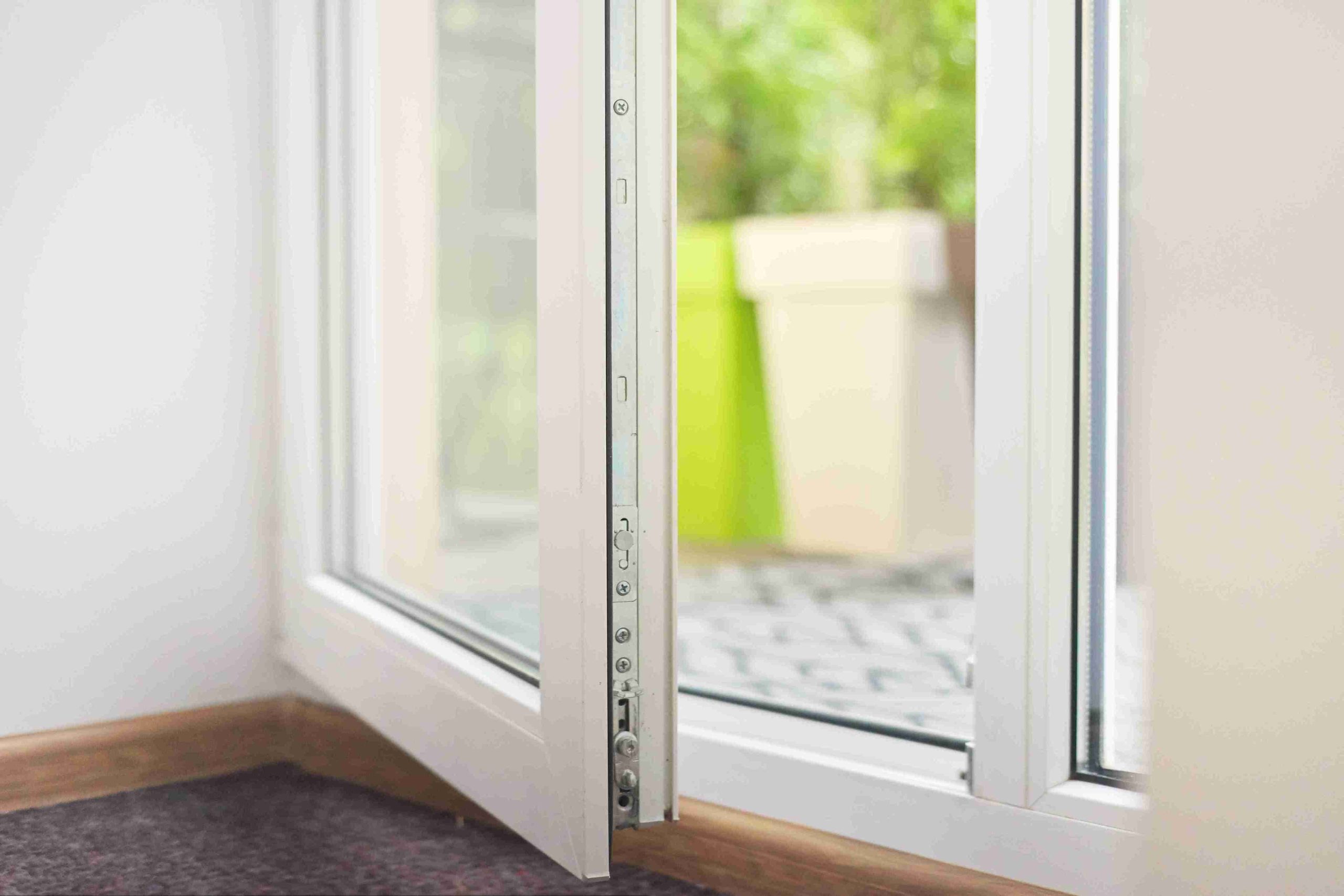
In UK homes, window frosting has become a popular alternative to heavy blinds, lace curtains, or fully opaque treatments. It offers a balance of privacy and light control without making interiors feel dark or closed in. Whether you’re looking to improve a single bathroom window or add a stylish feature to your conservatory, there are numerous ways to integrate frosting into your home.
1. Bathrooms
Bathrooms are one of the most common locations for window frosting. Privacy is essential, but natural light is equally important for a bright, inviting space. Frosted glass or frosted window film solves the problem perfectly.
Advantages for bathrooms:
- Blocks direct sightlines from outside.
- Resistant to moisture and easy to clean.
- Can be applied to shower screens for added privacy.
Design tip:
Consider a gradient frost that transitions from opaque at the bottom to clear at the top, allowing in maximum daylight without sacrificing privacy.
2. Kitchens
Kitchens often face neighbouring properties or busy streets, making window frosting a smart choice for maintaining discretion.
Advantages for kitchens:
- Preserves a clean, uncluttered look without blinds or net curtains.
- Can feature decorative patterns to complement cabinetry and tiles.
- Diffuses sunlight to prevent glare during food preparation.
Design tip:
Frosted borders with a clear centre can frame views while obscuring the lower part of the window where privacy matters most.
3. Bedrooms
For bedrooms facing public areas, window frosting offers subtle privacy without heavy drapes. It works especially well in minimalist or contemporary interiors.
Advantages for bedrooms:
- Maintains natural light levels in daytime.
- Reduces visibility at night when lights are on.
- Ideal for ground-floor or street-facing rooms.
Design tip:
Combine frosting with blackout curtains to switch between full darkness and softly lit privacy.
4. Conservatories and Garden Rooms
Large glass areas in conservatories can create a “goldfish bowl” effect. Frosting helps reduce the openness without making the space feel enclosed.
Advantages for conservatories:
- Cuts glare while still letting you enjoy natural light.
- Helps regulate temperature by diffusing heat from direct sunlight.
- Can be applied selectively to certain panels for balanced views and privacy.
Design tip:
Use decorative frosting with botanical patterns to echo the outdoor environment and enhance the garden-room feel.
5. Front Doors and Entryways
Clear glass panels in front doors can be a security risk. Frosting obscures the view for anyone outside without darkening the entryway.
Advantages for entryways:
- Increases privacy and security.
- Available in traditional and modern designs to match the property’s style.
- Quick and cost-effective to apply.
Design tip:
Consider etched house numbers or family names incorporated into the frosting for a personalised touch.
Window Frosting in Commercial and Office Environments
In the business world, window frosting is more than a privacy solution—it’s also a branding and design tool. Offices, retail spaces, and hospitality venues across the UK use frosted glass to create functional, stylish, and brand-aligned environments that cater to both employees and clients.
1. Offices and Meeting Rooms
Glass partitions and walls are common in modern offices, but they can present privacy challenges during meetings or when confidential work is being conducted. Window frosting addresses this while keeping an open, collaborative feel.
Advantages for offices:
- Protects sensitive information from view.
- Reduces distractions caused by movement outside meeting rooms.
- Maintains a light, spacious atmosphere.
Design tip:
Incorporate your company logo or mission statement subtly into the frosting for brand reinforcement without overwhelming the design.
2. Reception and Waiting Areas
First impressions matter. Frosted window film can make reception areas feel more refined while offering a discreet barrier between public and private spaces.
Advantages for reception areas:
- Creates a professional, welcoming aesthetic.
- Offers partial separation from working areas without closing off light.
- Can be customised with directional signage or brand elements.
Design tip:
Use frosted glass panels with cut-outs or clear stripes to create visual interest while keeping sightlines partially open.
3. Retail Stores
Retailers often use window frosting as both a privacy measure and a design element for window displays. It can help highlight merchandise while masking storage areas or workspaces behind the scenes.
Advantages for retail:
- Prevents passers-by from seeing storage clutter.
- Allows controlled visibility for featured products.
- Offers opportunities for promotional graphics on seasonal displays.
Design tip:
Experiment with semi-transparent patterns that allow glimpses of the interior, enticing customers while maintaining intrigue.
4. Hospitality and Leisure Venues
Restaurants, hotels, and spas use window frosting to shape atmosphere and maintain guest comfort.
Advantages for hospitality spaces:
- Provides a sense of intimacy for diners or guests.
- Can create themed décor elements that align with the venue’s identity.
- Reduces glare from street lighting or daylight.
Design tip:
Combine frosted sections with clear glass to frame scenic views while giving guests a comfortable degree of privacy.
5. Healthcare and Educational Institutions
In sectors where confidentiality is paramount, such as medical clinics or schools, window frosting can protect sensitive spaces without compromising accessibility.
Advantages for healthcare and education:
- Shields patient or student areas from public view.
- Meets safeguarding and data protection requirements.
- Creates a clean, hygienic, and professional appearance.
Design tip:
Use plain or lightly patterned frosting to maintain a calming environment without visual clutter.
Window Frosting Installation Methods
Choosing the right window frosting is only part of the process—how it’s installed will determine its performance, appearance, and longevity. In the UK, homeowners and businesses typically choose between DIY application and professional installation, depending on budget, skill level, and the complexity of the project.
1. DIY Window Frosting Installation
Self-adhesive frosted window film is designed for straightforward application and can be fitted by most people with basic tools.
Required tools and materials:
- Frosted window film (pre-cut or rolled)
- Measuring tape
- Utility knife or film cutter
- Spray bottle with soapy water
- Squeegee or plastic smoothing tool
- Lint-free cloth
Step-by-step process:
- Measure the glass area accurately and cut the film to size, leaving a small margin for trimming.
- Clean the glass thoroughly to remove dust, grease, and debris—any imperfections will show through the film.
- Spray the glass with a light mist of soapy water to allow repositioning of the film.
- Apply the film starting from one edge, smoothing it down as you go to avoid air bubbles.
- Trim excess material with a sharp blade.
- Squeegee out remaining water and allow the film to dry for at least 24 hours before cleaning.
Pros:
- Cost-effective.
- Can be done without specialist help.
- Easy to replace or update.
Cons:
- Higher risk of air bubbles or misalignment.
- May require reapplication if not installed correctly.
2. Professional Installation
For larger projects or intricate designs, professional fitting ensures a flawless finish.
Advantages:
- Expertise in measuring, cutting, and aligning complex patterns.
- Access to higher-quality, commercial-grade materials.
- Guaranteed adhesion and longevity.
When to choose professional fitting:
- Large-scale office or retail projects.
- Multi-panel or curved glass surfaces.
- Permanent solutions such as etched glass.
3. Spray-On Window Frosting Application
Spray frosting is applied directly to glass as an aerosol or liquid coating. It can be useful for small or irregularly shaped areas but requires careful handling.
Pros:
- Good for temporary or experimental designs.
- Works on shapes where film application is difficult.
Cons:
- Can result in uneven texture if not applied evenly.
- Harder to remove than adhesive film.
4. Maintenance and Care
Whether DIY or professionally installed, frosted windows require minimal upkeep:
- Cleaning: Use a mild, non-abrasive cleaner and a soft cloth to avoid scratching.
- Avoiding damage: Keep sharp objects away from the glass surface.
- Longevity: High-quality window frosting film can last 5–10 years, depending on exposure to sunlight and wear.
Frequently Asked Questions
1. What is window frosting?
Window frosting is a process or application that creates a translucent, matte finish on glass, reducing visibility while allowing light to pass through. In most UK homes and businesses, window frosting is achieved using self-adhesive frosted window film, etched glass, or spray-on coatings. It’s used for privacy, decorative appeal, and light control.
2. How does window frosting work?
Window frosting works by diffusing light that passes through the glass. This diffused light prevents clear visibility from either side while maintaining brightness. Whether you choose film, etched glass, or spray coating, the surface texture scatters light, creating privacy without blocking illumination.
3. Where is window frosting most commonly used?
Window frosting is widely used in:
- Homes: Bathrooms, bedrooms, kitchens, conservatories, and entry doors.
- Offices: Meeting rooms, reception areas, and glass partitions.
- Retail & Hospitality: Storefronts, restaurants, and hotels.
Its flexibility makes window frosting suitable for almost any setting where privacy and style are priorities.
4. Is window frosting permanent?
It depends on the method used. Self-adhesive frosted window film is removable and replaceable, making it a non-permanent option. Etched or sandblasted glass creates a permanent window frosting effect. Spray-on frosting can be semi-permanent depending on the type of coating used.
5. How long does window frosting last?
High-quality frosted window film can last between 5 and 10 years, depending on factors such as UV exposure, cleaning methods, and environmental conditions. Permanent etched glass offers a lifetime finish. Proper maintenance significantly extends the lifespan of window frosting.
6. Can I apply window frosting myself?
Yes, DIY application is possible using frosted window film. With accurate measuring, thorough cleaning, and careful application, you can achieve professional-looking results. However, for complex designs or large installations, professional fitting ensures the best finish and durability.
7. Does window frosting block heat?
Standard window frosting primarily provides privacy and light diffusion. Some premium films offer additional thermal insulation and UV protection, reducing heat gain in summer and helping with energy efficiency. Always check the product specifications before purchase.
8. Can I remove window frosting later?
Yes, adhesive films can be peeled away without damaging the glass, though you may need to remove adhesive residue with a mild cleaner. Spray-on frosting can often be removed with a specialised solvent. Permanent etched glass cannot be undone without replacing the pane.
9. How do I clean frosted windows?
To clean window frosting, use a soft cloth or sponge with a mild, non-abrasive cleaning solution. Avoid harsh chemicals and rough materials that could scratch the surface or damage the film.
10. How much does window frosting cost in the UK?
The window frosting cost can vary depending on the method, design, and scale. As a guide:
- DIY frosted window film: £10–£30 per square metre.
- Professional film installation: £30–£60 per square metre.
- Etched glass: £80–£150 per square metre.
- Spray-on frosting: £15–£40 per square metre.
11. Is window frosting suitable for rental properties?
Yes, self-adhesive window frosting is ideal for rentals because it’s removable and doesn’t damage the glass. It allows tenants to enjoy privacy and style without breaching lease agreements.
12. Can window frosting be customised?
Absolutely. Many suppliers offer custom designs, including company logos, patterns, gradients, and coloured tints. Custom window frosting is popular in commercial spaces for branding and in homes for personalised décor.
Transform Your Space with Professional Window Frosting
At Msigns, we specialise in high-quality window frosting solutions that combine privacy, style, and functionality for homes and businesses across the UK. Whether you need a sleek frosted window film for your office, decorative privacy glass for your home, or a fully customised design for your shopfront, our expert team will deliver precision, durability, and outstanding visual appeal.