As digital media continues to dominate global marketing budgets, many assume that traditional outdoor advertising has lost its power. Yet the reality is very different. Bold, large-scale displays in public spaces remain among the most effective ways to capture audience attention. Even with smartphones and digital feeds demanding constant engagement, billboard marketing continues to perform, adapt, and evolve in ways many brands overlook.
Today’s landscape blends classic location-based advertising with new technology and data-driven features, a shift that aligns closely with emerging Digital Signage Trends of 2025. Whether it’s dynamic LED screens, data-triggered displays, or high-visibility roadside panels, billboard marketing has transformed into a versatile, omnichannel tool that complements digital campaigns rather than competing with them. In the advertising industry, these formats are collectively referred to as ‘out of home’ (OOH) advertising, which includes billboards, digital billboards, and other outdoor placements. Billboards should be used as a complementary tool within a broader omnichannel marketing approach.
At the core of this evolution is the growing demand for media formats that are memorable, trustworthy, and impossible to ignore. Hence, billboard marketing continues to shine, offering brands a powerful way to reach commuters, travellers, and high-traffic city audiences with consistent, high-impact visibility.
This guide explores what still works and how UK businesses can maximise their return on investment by leveraging both traditional and digital billboard technology in the modern era.
Understanding the Role of Billboard Marketing in Today’s Consumer Journey
For decades, billboard marketing has been used to increase brand awareness and reinforce messaging. But in a digital age where consumers are flooded with online ads, its role has become even more significant.
Billboards offer something digital screens cannot always guarantee:
- Unavoidable visibility
- No ad blockers
- Constant exposure in key locations
- High-frequency advertisements in key locations for both local and national audiences
Outdoor media remains a powerful tool because it occupies physical space consumers must move through daily. Whether displayed on motorways, near retail centres, or across busy urban hubs, billboards provide instant brand recognition and large-format storytelling that stands out amidst digital clutter.And while online platforms fight for seconds of attention, billboard marketing ensures long-term, repeated impressions. Repeated exposure to billboards on daily routes helps solidify brand recognition.
What Is Billboard Advertising? A Modern Interpretation
Billboard advertising is a form of outdoor advertising that uses large-format displays placed in high-traffic locations to promote brands, products, or services to a broad audience.
Historically, when businesses asked what is billboard advertising, the answer was simple: large printed displays mounted in high-traffic outdoor areas.
However, the definition has expanded dramatically, reflecting how billboard marketing has evolved into a more dynamic, versatile, and technology-driven medium. A well-designed billboard advertisement can attract attention, measure impressions, and boost sales, demonstrating the continued effectiveness and relevance of this advertising method.
Today’s billboard landscape includes:
- Traditional printed billboards
- Large-format roadside panels
- Digital billboard screens with rotating content
- Interactive or sensor-based displays
- Transit-focused messaging
- 3D and anamorphic installations
This evolution has completely transformed how brands communicate outdoors. With innovations such as motion graphics, real-time data, LED technology, and dynamic scheduling, modern campaigns can achieve both creativity and flexibility that were impossible two decades ago. Dynamic scheduling allows billboard ads to shift based on real-time triggers, increasing relevance and engagement.Brands exploring larger outdoor formats often also evaluate other types of exterior business signage, which we cover in detail in our guide: Business Signs Outdoor: A Guide to Choosing the Best Ones.
Role of Advertising Space in Billboard Ads
In today’s digital age, securing the right advertising space is crucial for any successful billboard advertising campaign. Whether you’re a local business or a national brand, billboard ads remain one of the most powerful ways to increase brand awareness and reach a broad target audience. By strategically placing your message in high traffic areas—such as major cities, roadside locations, and bustling shopping centres—you can capture the attention of potential customers where they live, work, and shop.
Billboard advertising offers a unique advantage in the world of outdoor advertising: it’s highly visible, impossible to scroll past, and delivers repeated exposure to your audience. In the UK, especially in cities like London, prime advertising space is available in locations that guarantee your message will be seen by millions. From roadside billboards along busy commuter routes to digital screens in retail centres and bus stops, the options for placement are vast and varied.
If you want a deeper look at design, placement and formats, read our guide on billboard signs and outdoor advertising strategies in the UK.
When planning a billboard advertising campaign, it’s essential to consider your target demographic and select the right location to maximise impact. For example, a campaign aimed at young professionals might perform best in city centres or near transport hubs, while a family-focused product could benefit from placements near shopping centres or residential areas. The billboard design itself is equally important—modern, eye-catching visuals and concise messaging are key to standing out in a crowded advertising landscape.Digital billboards have revolutionised the industry, offering dynamic, easily updatable content that can be tailored to different times of day or even specific weather conditions. This flexibility allows brands to keep their messaging fresh and relevant, while also integrating interactive elements like QR codes to drive engagement and connect offline audiences with online campaigns. Meanwhile, traditional billboards provide a sense of permanence and credibility, making them ideal for long-term brand building, product launches, and reinforcing your presence in the local area.
Why Billboards Continue to Thrive in London and Major UK Cities
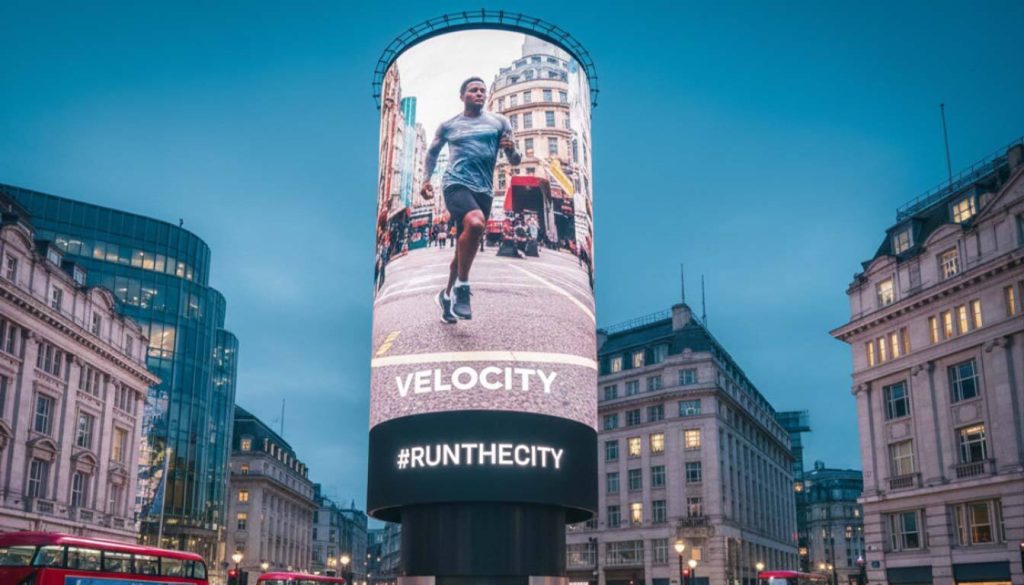
The UK — particularly London — remains a hotspot for outdoor signs and advertising due to its constant flow of commuters, tourists, and city residents.These types of campaigns are often referred to as ooh advertising (out-of-home advertising).
From the iconic Piccadilly Circus screens to London billboard advertising hotspots in Shoreditch, Oxford Street, and The West End, outdoor media continues to shape how brands communicate in busy environments.
Several factors contribute to its ongoing success:
1. High Footfall and Guaranteed Exposure
London’s population density and transport networks ensure that roadside and pedestrian audiences remain steady.
2. Ideal for Brand Awareness
Billboards are unavoidable. You cannot scroll past them, mute them, or click away. This makes them perfect for:
- New product launches
- Brand campaigns
- Event promotions
- Long-term visibility
3. The Demand for Local Targeting
Businesses often rely on roadside billboards for local advertising to target specific boroughs, neighbourhoods, or commercial districts. Local businesses may select billboard locations near their storefronts to drive immediate foot traffic. This hyper-local strategy enhances relevance and increases campaign efficiency
Why Billboard Marketing Still Delivers High ROI
Contrary to assumptions, outdoor advertising remains one of the strongest performing channels, especially when combined with digital tactics.
Key benefits include:
Mass Reach
A huge billboard, such as a 96-sheet or dynamic moving billboard, can reach millions over its lifetime and is especially effective for mass reach and brand awareness, depending on location.
Cost Efficiency
Despite rising digital ad prices, outdoor formats remain cost-effective.
Brand Recall
Studies consistently show that consumers remember billboard visuals far longer than digital banner ads.
Daily Passive Engagement
People encounter billboards as part of their routine — on commutes, shopping trips, or social outings. This ensures repeated exposure.
In short: billboard marketing continues to thrive because it blends timeless impact with modern creative opportunities.
Modern Strategies, Digital Integration & What Still Works
The introduction of digital billboard formats has reshaped out of home advertising, a broad category that includes digital billboards and other outdoor media. LED screens enable brands to run dynamic, scheduled, and animated content that easily stands out. Digital Out-of-Home (DOOH) advertising allows for time-sensitive messaging based on real-time updates. To explore how LED innovations are shaping outdoor advertising, you can also read our guide: Innovative Technologies in Outdoor Signage: Trends and Future Possibilities for Signs and LEDs.
Key advantages include:
1. Real-Time Content Updates
No printing or physical installation required — updates can be scheduled instantly.
2. Enhanced Creativity
Motion graphics create stronger stopping power and higher engagement.
3. Multiple Ads on One Screen
Brands can share space through rotating slots, making high-value locations more accessible.
4. Time-Based Targeting
Advertisers can schedule campaigns based on:
- Weather
- Time of day
- Traffic levels
- Seasonal occasions
This makes digital billboard advertising flexible and precise.
Proven Billboard Marketing Campaigns: What Top Brands Did Right
To understand how billboard marketing performs in real-world scenarios, it helps to look at campaigns that successfully combined creativity, placement, and strategy. The following case studies highlight how brands across different industries have used billboard marketing to drive awareness, engagement, and measurable results.
1. McDonald’s UK – Contextual Digital Billboard Campaign
One of the most effective examples of billboard marketing in the UK comes from McDonald’s, which used digital billboard screens to deliver context-aware messaging across major cities, including London.
The campaign featured dynamic creatives that changed based on the time of day. Morning commuters saw breakfast promotions, while evening audiences were shown dinner deals. This use of digital billboard technology allowed the brand to stay relevant throughout the day without changing physical assets.
Strategically placed in high-traffic areas such as transport hubs and roadside locations, the campaign ensured repeated exposure to commuters.
Results:
- Increased footfall during key hours
- Higher engagement compared to static campaigns
- Strong uplift in brand recall
2. Netflix – High-Impact London Billboard Advertising
Netflix has consistently used billboard marketing to promote new releases, particularly through bold and creative executions in London billboard advertising hotspots such as Piccadilly Circus and Shoreditch.
One standout campaign involved large-scale digital billboards featuring striking visuals and minimal text to promote a major series launch. The creative relied heavily on intrigue, using dramatic imagery that encouraged passersby to search for the show online.
By combining roadside billboards with digital screens and social media integration, Netflix created a multi-channel experience. Audiences who saw the billboard often continued their journey online, increasing search volume and engagement.
Results:
- Significant increase in online searches following campaign launch
- Viral social media sharing of billboard visuals
- Strong awareness for new content releases
3. Coca-Cola – Personalised Outdoor Advertising Campaign
Coca-Cola’s “Share a Coke” campaign is a classic example of how billboard marketing can connect emotionally with audiences. The brand extended its personalised bottle concept into outdoor formats, including roadside billboards and street advertising screens.
Billboards featured popular names and phrases, encouraging people to find and share their own names. Placed in busy retail zones, city centres, and pedestrian-heavy areas, the campaign leveraged both scale and proximity.
Results:
- Increased customer interaction and social sharing
- Strong uplift in product sales
High levels of audience engagement across multiple channels
Why Street Advertising Screens Are Expanding
In the past decade, street advertising screens have risen dramatically in popularity. They combine high visibility with digital agility, making them ideal for:
- Retail store promotions
- Restaurant launches
- Public announcements
- Entertainment events
- Technology and gaming campaigns
Their advantage lies in proximity — they are placed directly where pedestrians walk, pause, or shop.
Roadside Billboards: Still Among the Most Powerful OOH Tools
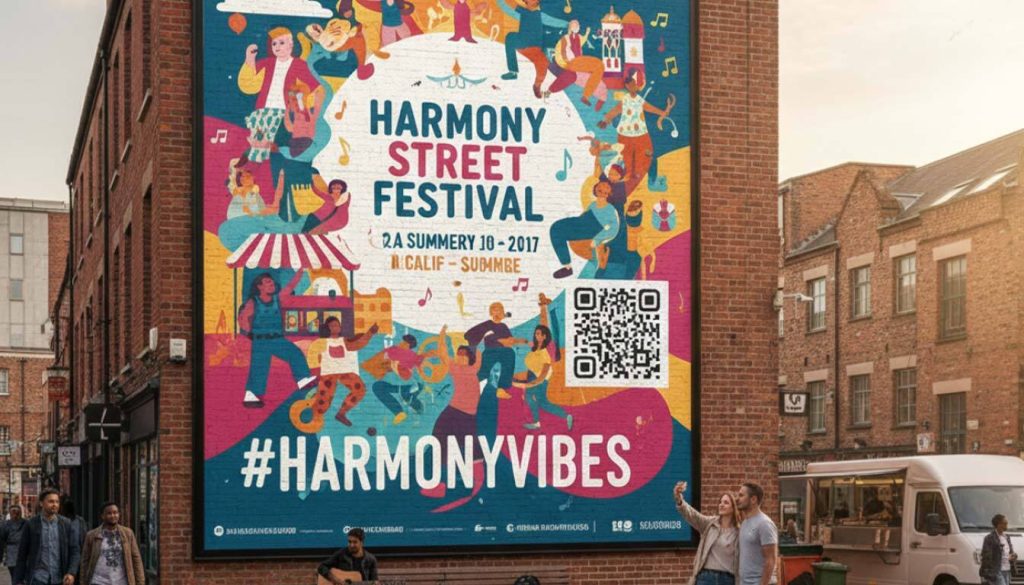
Long considered a cornerstone of outdoor advertising, roadside billboards continue to deliver outstanding results, especially along:
- Motorways
- Dual carriageways
- Commercial centres
- Retail parks
- Tourist corridors
Brands targeting high numbers of daily drivers or commuters still rely heavily on these formats due to their undeniable reach, making roadside displays a vital component of effective billboard marketing strategies today.
Why Roadside Billboards Remain Effective
- They provide prolonged exposure — drivers may see the same sign hundreds of times.
- They are ideal for clear, bold messaging.
- They reinforce brand familiarity and top-of-mind awareness.
- They work extremely well alongside digital campaigns such as social ads or paid search.
How to Design an Effective Billboard: Creative Principles that Still Work in Billboard Marketing
Modern audiences move fast, and billboard messages must keep up. Capturing the viewer’s attention is crucial in billboard marketing. The best campaigns follow timeless creative rules that still hold up today:
1. Keep Text Minimal
Drivers have seconds to absorb the message.
2. Use High-Contrast Colours
This ensures visibility from a distance.
3. Prioritise a Single Clear Idea
One message per billboard. Not two. Not three.
4. Use Strong Branding
Logos, taglines, and colours must be instantly recognisable.
5. Apply Large, Legible Typography
Small text is the enemy of effective outdoor advertising.
6. Make It Memorable
Humour, bold visuals, and emotional triggers increase recall.
When implemented well, these principles strengthen the long-term performance of billboard marketing campaigns.
How Digital and Traditional Billboards Work Together
One of the most powerful strategies today is an integrated approach where brands combine both traditional and digital outdoor formats. This hybrid method strengthens the impact of billboard marketing by blending long-term visibility with real-time adaptability
1. Traditional Billboards Provide Stability
They offer durability, constant visibility, and long-term presence.
2. Digital Billboards Provide Agility
They enable timely updates, animations, and data-driven content.
3. Together They Create Multi-Layered Impact
For example:
- A roadside billboard reinforces brand awareness all month.
- A digital billboard displays daily promotions or limited-time offers.
This combination significantly boosts message retention and campaign effectiveness.
London Billboard Advertising: Why It’s More Competitive Than Ever
The UK capital offers unmatched access to diverse audiences. However, competition is fierce. Selecting the best location for maximum visibility and targeting is essential to ensure the billboard is placed in a prime spot to reach the intended audience..
Top-performing campaigns in London typically succeed due to:
Prime location selection
High-visibility zones such as Kings Cross, London Bridge, or Canary Wharf.
Creative excellence
Memorable visuals or bold concepts.
Digital integration
Using QR codes, social media tie-ins, or live updates.
Strong brand consistency
Reinforcing the same message across multiple screens and boards.
This is why many brands continue investing in London billboard advertising as part of their long-term media strategy.
Audience Behaviour, Market Trends, and the Future of Billboard Marketing
In a fast-paced, digital-first world, attention spans are shorter than ever. But while online ads battle oversaturation, billboards thrive because they offer:
- A distraction-free visual field
- Physical presence
- Large-format impact
- Built-in credibility
Even Gen Z audiences respond strongly to standout outdoor visuals — especially on street advertising screens and vibrant LED installations across the city.
Interactive and Tech-Enhanced Billboard Trends
A major driver of innovation involves the fusion of technology with traditional outdoor platforms. Interactive and tech-enhanced billboards, such as those using digital displays, augmented reality, or real-time data, can be used to promote products or services more effectively by engaging audiences and delivering targeted messages at optimal times and locations.
QR Codes & Mobile Integration
Brands link billboard visuals to landing pages, offers, or apps.
Live Data Integration
Weather updates, transport info, scores, or trending topics.
AR and 3D Billboards
Anamorphic displays and playful illusions create viral-ready brand moments.
Dynamic Scheduling
Ads shift based on real-time triggers, increasing relevance and engagement.
These advancements extend the capabilities of billboard marketing, helping modern campaigns feel alive, responsive, and connected.
Why Billboards Work Even Better Alongside Digital Marketing
Outdoor campaigns amplify every other marketing channel, especially online.
When customers see a billboard, they often:
- Search the brand online
- Recognise it on social media
- Engage more deeply with digital ads
- Remember the message for longer
This synergy boosts outcomes dramatically. Billboard exposure can increase online search volume by up to 40% in some industries.
Future-Proofing Your Strategy: What Will Matter Most in the Next 5 Years
The future of outdoor advertising belongs to brands that embrace:
1. High-impact creative
Bold visuals with powerful storytelling.
2. Smart location selection
Prioritising high-traffic zones over low-cost placements.
3. Integration with digital ecosystems
Combining billboard marketing with social media, mobile apps, and online campaigns.
4. Sustainable production practices
Eco-friendly printing, recyclable materials, and energy-efficient LED displays.
5. Data-driven insights
Using audience analytics to predict visibility, engagement, and reach.
With these foundations, billboards will continue to thrive as one of the most valuable advertising formats available.
Understanding Audience Psychology in Billboard Marketing
One of the biggest reasons billboard marketing continues to perform strongly in the digital age is rooted in human behaviour and signage psychology. When people encounter large-scale visuals in physical environments, they naturally process them differently from online ads. There is no need to click, scroll, or interact — the message is delivered instantly, making the medium resistant to digital fatigue.
Modern consumers are exposed to thousands of online ads every day, many of which get ignored because of oversaturation. But large-format displays such as roadside billboards or street advertising screens bypass this problem entirely. They exist in the real world, where the viewer’s attention is not divided across multiple apps or tabs. This gives brands a unique opportunity to make a bold impression at moments when the mind is more receptive.
The placement of outdoor media plays a major psychological role. Commuters stuck in traffic, pedestrians walking through crowded zones, or shoppers navigating retail districts are naturally more observant of their surroundings. A well-designed message — especially on a digital billboard — can generate impact within seconds. This is one of the key reasons billboard marketing remains so effective today. The blend of scale, visibility, and strategic location positioning stimulates memory retention, which explains why outdoor visuals often stay in the mind longer than online display ads.
Another major behavioural factor is the sense of credibility that outdoor media carries. Seeing a brand on a large billboard subconsciously signals legitimacy. Unlike online ads, which can be created by anyone, outdoor media placements require investment, planning, and authorised space — all of which elevate brand trust. This plays a major role in industries such as finance, real estate, healthcare, and retail, where credibility drives conversions.
Even the simplicity of messaging contributes to billboard effectiveness. Clear visuals and short copy ensure that the brain processes information quickly. This aligns perfectly with how modern audiences consume content: in fast, digestible bursts. And when brands use billboard marketing consistently across multiple touchpoints, the repeated exposure strengthens recognition and influences purchase decisions.
As audience behaviour continues to shift in the digital era, the psychological advantage of outdoor media remains strong. Today’s consumers value authenticity, relevance, and clarity — qualities that billboard advertising delivers in a direct and powerful way.
The Most Effective Billboard Formats in 2026
As the outdoor landscape expands, brands now have more choices than ever when planning billboard marketing campaigns. Understanding the strengths of each format allows businesses to select the most impactful option for their goals, budget, and target demographic.
1. Traditional Static Billboards
Classic posters remain one of the most cost-effective options, especially for long-term visibility. They are ideal for campaigns that require sustained presence, such as brand awareness, store openings, or community messaging. Their durability makes them particularly strong performers along motorways and high-traffic suburban routes where drivers pass by repeatedly.
2. Digital Billboard Screens
The adoption of digital billboard displays continues to rise. These LED-powered screens allow advertisers to use animations, switching visuals, and real-time content updates. They are exceptionally effective in city centres, transport hubs, and retail districts. The ability to change messaging throughout the day — for example, promoting lunchtime offers, evening events, or weather-based promotions — gives brands unmatched flexibility.
3. London Landmark Screens
Large-scale London billboard advertising locations such as Piccadilly Circus, Westfield London, and Oxford Circus offer premium exposure. These sites are perfect for national campaigns, product launches, and high-impact creative concepts. The massive footfall combined with a tourism-heavy audience makes these placements incredibly valuable for brands seeking cultural relevance and nationwide attention.
4. Roadside Billboards
High-visibility roadside billboards remain among the most widely used outdoor formats. Their reach is extensive, capturing both local residents and long-distance travellers. They are especially beneficial for automotive brands, supermarkets, entertainment venues, and large retail chains. Their strategic placement ensures repeated impressions that build familiarity and reinforce message recall. If you want to optimise the clarity and performance of these displays, check out our guide: Tips for Effective Outdoor Signage Boards.
5. Street Advertising Screens
For higher pedestrian engagement, street advertising screens offer exceptional visibility at eye level. Positioned near bus stops, shopping districts, cafés, and public squares, these screens are excellent for short-term promotions and offers. Their digital nature allows rapid updates, making them ideal for businesses that frequently refresh their messaging.
6. Transit-Focused Digital Displays
These include screens inside train stations, buses, airports, and underground platforms. They reach audiences who are waiting, resting, or commuting — moments where attention levels are naturally higher. This format works well for entertainment brands, consumer goods, tech companies, and service industries.
The most effective campaigns combine multiple formats to maximise visibility. Strategic layering ensures that billboard marketing becomes part of a broader ecosystem, engaging audiences across different contexts and moments in their daily journeys.
How to Measure Billboard Campaign Performance in the Digital Era
One of the biggest advantages of modern outdoor advertising is the ability to measure performance more accurately than ever before. With the integration of digital analytics, mobility data, and behavioural insights, brands using billboard marketing can now track results far beyond simple visibility estimates.
The first key metric is impressions — the number of people likely exposed to the billboard. This data is collected through traffic counts, footfall tracking, and digital sensors. For high-traffic areas, especially in zones with London billboard advertising, impressions can reach millions per month.
Next is engagement lift, which measures how offline exposure influences online activity. Many advertisers now observe increases in website visits, branded search terms, or social interactions after launching outdoor campaigns. This is especially powerful when using formats such as street advertising screens or digital billboard placements, which tend to drive immediate online curiosity and strengthen the overall impact of billboard marketing.
Call-to-action tracking is another effective method. Businesses can measure performance by using QR codes, custom URLs, time-limited offers, or trackable landing pages. These tools provide direct insight into how many people took action after encountering the billboard.
Meanwhile, brand recall surveys, either online or in person, help measure how well the campaign resonates with the audience. Outdoor visuals are known for generating high recall, especially when placed on roadside billboards that commuters pass repeatedly.
Finally, advertisers track conversion impact — such as increased store visits, sales uplift, or lead generation during the campaign period. When combined with digital ads, billboard exposure can significantly enhance overall ROI.
In today’s data-driven world, measurement tools ensure that billboard marketing remains transparent, accountable, and strategically optimised, giving UK businesses the confidence to invest in outdoor advertising with measurable results.
Conclusion — Why Billboard Marketing Still Works in the Digital Age
Even as digital advertising grows, the power of physical, large-scale displays remains undeniable. Billboard marketing continues to succeed because it is bold, memorable, and impossible to ignore. When combined with modern design, precise location targeting, and digital integrations, it becomes one of the most effective and versatile marketing tools for UK businesses.
Whether displayed on busy streets, motorways, transport hubs, or vibrant city centres, billboards offer unmatched visibility and impact — delivering brand awareness that lasts.
In an era of constant digital noise, outdoor advertising remains a refreshing, highly influential medium that captures attention and strengthens brand presence.
Ready to Elevate Your Billboard Campaign? Partner With Msigns
If your business is ready to stand out, increase visibility, and take advantage of modern outdoor advertising opportunities, Msigns is here to help.
We offer:
- Traditional & digital billboard solutions
- Large-format printing
- Premium design support
- Secure installation
- High-traffic location access
- Competitive pricing
- Fast UK-wide turnaround
From roadside billboards to digital screens and bespoke outdoor solutions, Msigns helps brands create bold, unforgettable campaigns that drive real-world results.