Cities across the UK are no longer competing only on infrastructure, location, or economic incentives. They are competing on identity. From major metropolitan centres to emerging regional towns, how a city presents itself visually has become a decisive factor in attracting visitors, businesses, investors, and residents. At the heart of this visual communication lies one of the most powerful but underestimated tools: city branding signs.
City branding is no longer confined to marketing campaigns or digital platforms. It is experienced physically, in streets, transport hubs, public squares, and gateways into the city. Signage is often the first and last point of contact a person has with a place, shaping perceptions long before a website or brochure is consulted. When designed and implemented strategically, city branding signs create recognition, reinforce values, and communicate a sense of place that is both memorable and authentic.
This article explores the strategic importance of city branding signs, what makes them successful, how they support tourism and outdoor advertising, and how UK cities have used signage to establish distinctive identities. Drawing on professional signage expertise, this guide is designed to help councils, developers, and place-makers understand how signage contributes to long-term city branding success.
The Value of City Branding Signs
City branding is not simply about aesthetics. A cohesive visual identity is essential in city branding, as it helps create a recognisable and emotionally resonant image that reflects the city’s unique character and values. City branding signs act as tangible expressions of a city’s identity and deliver measurable value across multiple areas. They help keep the city alive by reflecting ongoing changes, vibrancy, and the dynamic nature of urban life:
- Increased tourism and visitor spend
- Improved investor confidence
- Stronger civic pride and local identity
- Clearer navigation and usability
- Enhanced reputation at regional and international levels
- Support for local business and commerce by integrating economic activity into the city’s brand
The creation of place branding signage involves a thoughtful process of designing visual elements that encapsulate the city’s heritage and aspirations. It is crucial to identify the city’s unique attributes and characteristics to ensure the branding resonates with both the community and its audience.
Understanding City Branding in a Modern UK Context
City branding, often referred to as place branding, is the practice of shaping how a city is perceived by different audiences. A strong city brand communicates what a place stands for, what makes it unique, and why it matters. Identifying a city’s unique attributes is a crucial step in the branding process, as it ensures the visual identity authentically reflects the city’s core character.
City branding in the UK must operate within a complex environment. Cities are layered with history, planning regulations, and diverse communities. Unlike commercial branding, city branding cannot be replaced or rebranded overnight. It evolves gradually and must be embedded into the physical environment.
Effective city branding signs should represent the entire city, not just select areas, to create a cohesive and inclusive identity. Without this consistency, branding efforts risk becoming fragmented and ineffective.
Economic Impact of City Branding Signs
City branding also plays a crucial role in supporting economic development by fostering a strong visual identity that attracts investment and talent. City branding signs support this by creating environments that feel confident, organised, and welcoming.
Clear, branded signage reduces confusion, increases dwell time, and encourages exploration. This directly benefits local businesses, cultural venues, and hospitality providers, as good signage enhances the user experience and can increase local economic impact by up to 30%.
From an investment perspective, city branding signs signal professionalism and ambition. Well-designed signage suggests that a city is managed, forward-thinking, and invested in its public realm. For developers and investors, this visual clarity reinforces confidence in the location.
Cultural and Social Value of City Branding
Beyond economics, city branding signs contribute to social cohesion and cultural expression. Beyond economics, they also help:
- Reflect heritage, culture, and local narratives
- Promote inclusivity and accessibility
- Reinforce a sense of belonging for residents
- Create shared identity
Signage that reflects local history, language, or cultural references helps communities feel seen and represented. Involving citizens in the branding process helps capture the soul of the city, ensuring its authentic character and values are reflected. It can celebrate heritage, mark significant locations, and tell stories that might otherwise be overlooked. In this way, city branding signs become part of the city’s narrative, not just its infrastructure.
Why Physical Signage Still Matters in a Digital Age
While digital marketing plays a growing role in city promotion, physical signage remains irreplaceable. City branding signs operate in real space, influencing real behaviour. They guide movement, frame experiences, and create landmarks that people remember.
Unlike digital campaigns, signage is always present and exists as a constant part of the urban landscape. It does not rely on algorithms or screen time. It shapes perception passively but persistently. For city branding to be credible and effective, it must exist in the physical environment, and signage is the most direct way to achieve this.
What Makes a Successful City Branding Sign?
Successful city branding signs are the result of strategic thinking, design expertise, and a deep understanding of how people experience urban environments. A cohesive visual language helps communicate the city’s identity and enhances the effectiveness of city branding signs. Thoughtful graphic design is essential in city identity signage, as it creates a strong visual identity, promotes community pride, and fosters a sense of belonging. They are not decorative afterthoughts but functional brand assets that, when crafted by skilled designers, work effectively over the long term.
Clear Brand Messaging and Local Identity
At the core of every successful city branding sign is a clear and authentic message. The right words and creative ideas are essential in shaping city branding messages that are memorable and emotionally resonant. Signage must reflect what makes a city distinctive rather than relying on generic visual trends. This requires a strong understanding of local history, culture, geography, and values.
Consistency is equally important. Brand messaging should be aligned across all signage types, from gateway signs and wayfinding systems to public information boards. Inconsistent messaging weakens recognition and dilutes the city brand. Successful city branding signs reinforce a single, coherent narrative at every point of contact.
Effective city branding signs should focus on a main idea with concise supporting text, allowing them to be understood within five seconds.
Strategic Placement and Visibility
Even the most well-designed signage will fail if it is not placed strategically. Well-placed city branding signs are more likely to be noticed by residents and visitors, increasing their visibility and impact. City branding signs must be positioned where they have maximum impact and relevance. This includes key entry points such as road gateways, railway stations, airports, and pedestrian access routes. Banners, such as lamppost banners and raised posters, are especially effective for city branding campaigns because their high visibility in busy areas ensures that messaging reaches a wide audience.
Choosing the right moment for signage placement can further enhance its effectiveness, especially during pivotal points like city events or rebranding campaigns. Effective city branding signs also support natural movement through the city. By guiding people intuitively, signage reduces frustration and enhances the overall experience. This functional clarity reinforces positive perceptions of the city as organised and welcoming.
Additionally, signs should be placed at natural decision points like entryways and crossroads to create mini-destinations.
Design Quality and Visual Hierarchy
Design quality plays a decisive role in the success of city branding signs. Graphics play a crucial role in enhancing the visual hierarchy of city branding signs by guiding viewers’ attention and reinforcing key brand elements. Poor typography, low-contrast colour schemes, or cluttered layouts can undermine even the strongest branding strategy. Professional design ensures that signage is legible, attractive, and aligned with brand guidelines.
Typography should be chosen carefully to balance personality with readability. Colours should reflect the city brand while maintaining sufficient contrast for visibility in varying light conditions. Materials should complement the urban environment and convey durability and quality.
Visual hierarchy is essential. City branding signs must communicate information quickly and clearly. Primary messages should be instantly recognisable, while secondary information is presented in a structured and accessible way. This clarity improves usability and strengthens brand recognition simultaneously.
Durability, Sustainability and Compliance
In the UK climate, durability is a critical consideration. City branding signs are long-term installations that must withstand weather exposure, pollution, and wear. Material selection and manufacturing quality directly affect longevity and maintenance costs.
Sustainability has also become a key factor in modern city branding. Councils and developers are increasingly expected to demonstrate environmental responsibility. Sustainable materials, energy-efficient lighting, and low-maintenance designs contribute positively to a city’s reputation.
Compliance with planning regulations and accessibility standards is non-negotiable. Successful city branding signs are designed with full awareness of local authority requirements, ensuring smooth approval processes and long-term viability.
Accessibility and Inclusive Design
A city brand must be accessible to everyone. City branding signs should be designed with inclusivity in mind, ensuring that information is readable and understandable for people of different abilities, languages, and backgrounds.
This includes appropriate font sizes, clear contrast, logical layouts, and consideration for visually impaired users. In some locations, multilingual signage may be appropriate to reflect the city’s demographic or visitor profile.
Inclusive city branding signs demonstrate that a city values all users of its public space. This strengthens trust, enhances reputation, and supports social cohesion.
How To Use Outdoor Advertising To Support City Branding
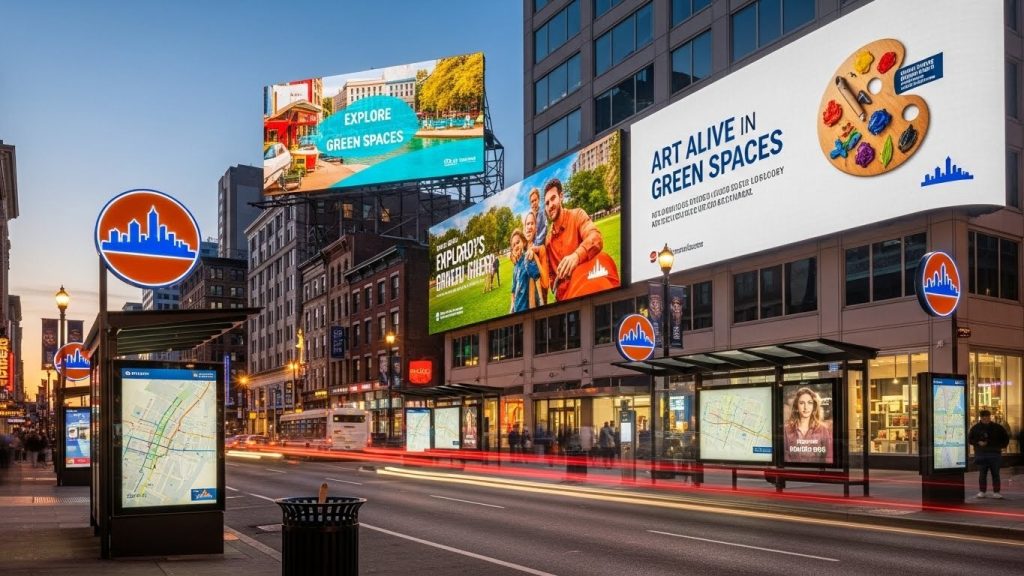
Outdoor advertising and city branding are often treated as separate disciplines, yet when aligned correctly they can reinforce each other powerfully. Ads, including those on social media and outdoor displays, are frequently used in city branding campaigns to increase visibility and promote the city’s image.
Used together, they strengthen how a city communicates with both residents and visitors. Outdoor advertising campaigns are often aimed at specific audiences and objectives, ensuring that the messaging resonates and achieves the desired impact.
Understanding the Relationship Between Outdoor Advertising and City Branding
| City Branding Signs | Outdoor Advertising |
| Permanent | Temporary or campaign-based |
| Identity-led | Message-led |
| Long-term | Short-term |
| Structural | Flexible |
Types of Outdoor Advertising That Support City Branding
Outdoor advertising can significantly enhance place identity when it is planned as part of a wider branding strategy. When aligned with city branding signs, these formats reinforce recognition, support storytelling, and strengthen visual consistency across the urban environment.
- Large-Format Displays and Building Wraps: Large-format displays, including building wraps, façade graphics, and freestanding panels, are highly effective at communicating city-wide brand messages.
- Digital Outdoor Advertising Screens: Screens located in transport hubs, city centres, and public squares can promote cultural events, tourism initiatives, or civic information.
- Street Furniture Advertising: Branded bus shelters, information kiosks, and seating panels, provides subtle yet effective brand reinforcement.
- Public Art and Branded Installations: Sculptural signage, murals, and interactive installations can communicate city identity in a way that feels engaging rather than commercial.
Types of Outdoor Advertising That Support City Branding
There are several forms of outdoor advertising that can be used effectively to support city branding:
Large-format displays, such as billboards or freestanding panels, can reinforce major brand messages at key locations. Service providers play a crucial role by delivering and installing these advertising formats, ensuring that campaigns are executed efficiently and professionally. When designed in line with city branding signs, they create high-impact visual statements without disrupting the urban landscape.
Digital outdoor advertising offers flexibility and responsiveness. Screens in transport hubs or city centres can showcase cultural events, tourism campaigns, or civic messaging while maintaining brand consistency. When integrated carefully, digital displays complement static city branding signs rather than overpowering them.
Street furniture advertising, including bus shelters and information kiosks, provides opportunities for subtle branding. These touchpoints are encountered daily by residents, reinforcing identity through repetition and familiarity.
Public art and branded installations also play a role. When aligned with city branding signs, these elements add depth and emotional engagement to the city brand, transforming advertising into cultural expression.
Maintaining Brand Consistency Across Touchpoints
Consistency is the most important factor when using outdoor advertising to support city branding. Every visual element should feel like it belongs to the same system. This requires clear brand guidelines and collaboration between councils, advertisers, and signage specialists.
City branding signs establish the foundation, while outdoor advertising builds on it. Messaging should align with the city’s values and tone of voice. Visual elements should follow established design standards to avoid fragmentation.
When consistency is achieved, outdoor advertising reinforces recognition rather than causing confusion. This repetition strengthens memory and builds long-term brand equity.
Supporting Local Businesses and Cultural Initiatives
Outdoor advertising aligned with city branding can also support local businesses, events, and cultural initiatives. Campaigns promoting markets, festivals, or cultural institutions benefit from the credibility and recognition provided by city branding signs.
By integrating promotional messaging within a consistent branded environment, cities create a sense of cohesion rather than commercialisation. This balance is particularly important in heritage areas and public spaces where sensitivity to context is required.
Measuring the Impact of Outdoor Branding
To ensure effectiveness, cities must evaluate how outdoor advertising contributes to branding goals. Metrics may include footfall changes, visitor engagement, event attendance, or perception surveys.
While city branding signs deliver long-term value, outdoor advertising provides measurable short-term insights. Together, they offer a comprehensive approach to place marketing that balances permanence with adaptability.
Role of City Branding Signs in Tourism
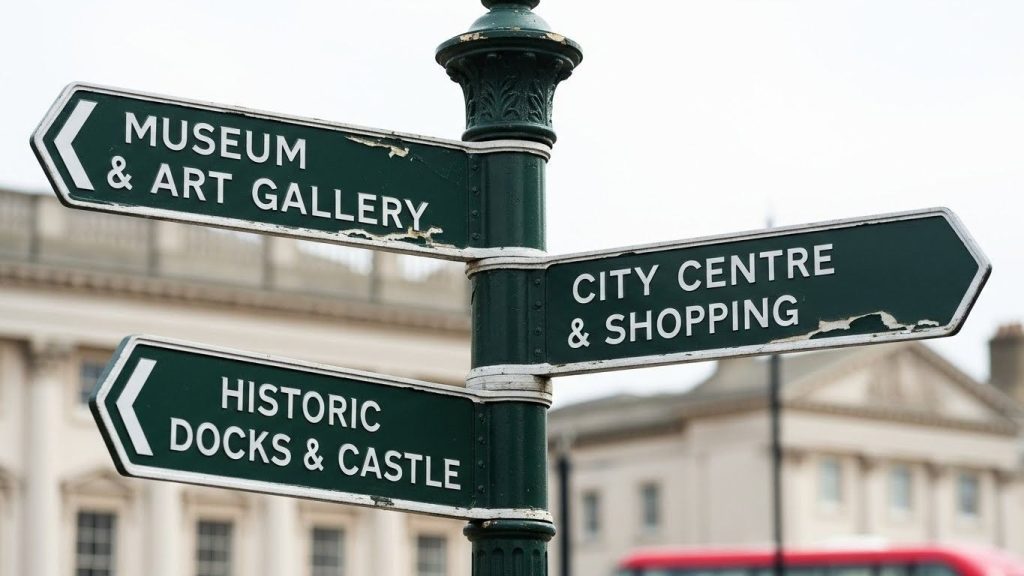
Tourism is one of the most visible areas where city branding directly influences perception and behaviour. Iconic and famous city branding signs, such as instantly recognizable logos or symbols, play a significant role in tourism signage. For many visitors, their understanding of a city is formed not through research but through experience. City branding signs play a crucial role in shaping that experience by guiding movement, setting expectations, and communicating identity at every stage of the visitor journey.
A great example of an icon in city branding is the ‘I ❤ NY’ logo, designed by Milton Glaser. This logo, promoted by the New York State Department and York State Department, has become an iconic symbol recognized worldwide, fostering pride among New Yorkers and tourists alike. The abbreviation ‘NY’ and the use of ‘York’ in the slogan have become deeply embedded in the city’s identity, serving as a powerful branding tool that resonates globally. Paris is another city with globally recognized city branding efforts, further demonstrating the impact of well-executed branding campaigns.
Monumental logo signs, like the “I Love NYC” sign, often serve as photo backdrops and landmarks, further reinforcing the city’s brand and providing memorable experiences for visitors.
The I Amsterdam sign is another great example of a successful city branding sign. It became extremely popular with tourists, frequently appearing in photographs shared around the world. The I Amsterdam campaign significantly increased the city’s popularity as a tourist destination, demonstrating the power of a well-designed branding initiative.
After the 2011 earthquake, Christchurch launched a rebranding campaign aimed at attracting visitors and investors by creating a new narrative for the city.
Creating Strong First Impressions for Visitors
First impressions matter, particularly in tourism. Entry points such as airports, railway stations, coach terminals, and major road gateways are often a visitor’s first physical interaction with a city. Well-designed city branding signs at these locations establish confidence and clarity from the outset.
A coherent welcome message, delivered through consistent visual branding, immediately signals that the city is organised, professional, and visitor-friendly. This initial reassurance influences how visitors perceive everything that follows. Poor or inconsistent signage at entry points can create uncertainty, undermining confidence before the visit has truly begun.
City branding signs at gateways should reflect the city’s character while remaining clear and legible. They are not simply functional markers but symbolic statements that introduce the city’s story.
Enhancing Wayfinding and Visitor Experience
Navigating an unfamiliar city can be challenging. City branding signs can also create memorable moments for friends and groups visiting the city, as they often become popular spots for photos and shared experiences. Tourists often rely on signage to orient themselves, find attractions, and move efficiently between locations. Effective wayfinding is therefore a cornerstone of positive visitor experience.
City branding signs that integrate wayfinding elements reduce stress and confusion. Clear directional signage, consistent naming conventions, and intuitive layouts help visitors feel comfortable exploring beyond central areas. This encourages deeper engagement with the city and distributes economic benefits more widely.
Storytelling Through City Branding Signs
Interpretive signage, heritage trails, and cultural markers allow cities to communicate narratives directly within the urban environment. These elements transform streets and public spaces into immersive experiences. When designed as part of a cohesive branding system, storytelling signage enhances authenticity rather than feeling informational or instructional.
City branding signs used for storytelling should balance content with clarity. Information must be concise, engaging, and accessible to diverse audiences. Visual consistency ensures that storytelling elements feel connected to the wider city brand.
Supporting Attractions, Events and Local Economies
City branding signs help connect visitors with attractions, events, and local businesses. Increasingly, city branding signage is seen as a living organism, adapting to the needs of both residents and visitors to foster connection, pride, and identity. They help keep the city alive by reflecting ongoing changes, cultural development, and community engagement, ensuring the city remains vibrant and full of life. Clear signposting to cultural venues, retail areas, and public spaces encourages exploration and increases dwell time.
Seasonal events and festivals also benefit from branded signage. Temporary additions that align with permanent city branding signs maintain visual coherence while allowing flexibility.
For smaller cities and towns, effective signage can be particularly impactful. Clear, well-branded signs help lesser-known destinations compete by making them easier to navigate and more memorable. In 2026, city branding signage is increasingly treated as a living organism rather than just a fixed logo, reflecting the dynamic and evolving nature of city identity.
Building Long-Term Tourism Reputation
City branding signs contribute to these lasting impressions by shaping everyday interactions with the city. These signs also embody the city’s promise to visitors and residents.
When signage is clear, consistent, and reflective of local identity, it builds trust and familiarity. Visitors are more likely to recommend the city, return in the future, and engage positively online. Over time, these experiences strengthen the city’s tourism reputation organically.
Examples Across the UK: How Signage Helped Create a Unique City Identity
Across the UK, cities have increasingly recognised the role of signage in shaping perception and reinforcing identity. While each city faces different challenges and opportunities, successful examples share a common understanding: urban signage UK must reflect local character while supporting long-term strategic goals.
To be effective, city branding must align with the reality of the city’s character, community values, and environment, ensuring authenticity and fostering a genuine connection with residents and visitors. The following examples demonstrate how signage has helped UK cities establish and strengthen their unique identities.
London: Global Recognition Through Consistent Visual Systems
The London Underground roundel and typography are among the most recognisable branding elements in the world. While not traditional city branding signs in isolation, their integration across the city reinforces a strong and trusted identity. Wayfinding signage in central areas aligns with this system, ensuring familiarity and ease of navigation.
This consistency demonstrates how city branding signs can operate at scale without becoming intrusive. They support both residents and visitors while reinforcing London’s reputation for clarity, connectivity, and global relevance.
Manchester: Industrial Heritage and Modern Confidence
The city has used signage to express this dual identity through bold typography, robust materials, and references to local heritage.
City branding signs across Manchester often incorporate industrial design cues, reinforcing authenticity rather than masking history. Wayfinding and gateway signage reflect the city’s tone of voice, which is confident, direct, and forward-looking.
This approach has supported Manchester’s wider regeneration efforts. Clear, branded signage has helped reposition the city as a destination for culture, sport, and innovation, while maintaining strong local pride.
Birmingham: Regeneration and Visual Cohesion
Birmingham’s recent transformation has placed a strong emphasis on public realm improvements. Signage has played a key role in creating visual cohesion across redeveloped areas. The use of blue in Birmingham’s branding and signage helps establish a recognizable and trustworthy visual identity, aligning with the city’s modern image.
City branding signs in Birmingham focus on clarity, accessibility, and consistency. Wayfinding systems have been designed to support pedestrian movement between transport hubs, retail districts, and cultural venues. This has improved usability while reinforcing a modern, inclusive identity.
Bristol: Creativity and Cultural Expression
City branding signs in Bristol often go beyond functional requirements, incorporating storytelling and visual interest. This approach aligns with the city’s reputation for innovation and cultural leadership.
Importantly, Bristol’s signage remains coherent despite its creative freedom. Brand guidelines ensure that even expressive elements feel connected, preventing fragmentation while allowing individuality.
Why Professional Signage Is Essential for Long-Term City Branding
City branding is a long-term investment rather than a short-term campaign. While logos, slogans, and digital initiatives can evolve quickly, physical branding elements remain in place for years, sometimes decades. For this reason, professional expertise is essential when planning, designing, and implementing city branding signs.
The Risks of Poor or Inconsistent Signage
Poor signage decisions can undermine even the strongest city branding strategy. Inconsistent visual styles, low-quality materials, unclear messaging, or poor placement all contribute to confusion and brand dilution. Over time, this inconsistency weakens recognition and erodes trust.
Unplanned signage can result in:
- Brand dilution
- Visual clutter
- Fragmented city identity
- Increased maintenance costs
- Negative visitor perception
Strategic Approach to City Branding Signs
Professional signage specialists take a strategic approach rather than focusing solely on individual signs. This begins with understanding the city’s brand values, target audiences, and long-term objectives. Signage is then designed as a system, ensuring consistency across all applications.
For local authorities and developers, this strategic clarity reduces risk and ensures that investment in city branding signs delivers measurable value over time.
Design, Manufacture and Installation Expertise
Professional signage requires:
- Strategic planning
- Quality materials
- Design consistency
- Regulatory compliance
- Quality manufacturing and installation
Experienced signage providers understand how to balance aesthetics with practicality. They consider environmental exposure, maintenance requirements, and accessibility standards from the outset. So, city branding signs remain effective and compliant throughout their lifespan.
Deliver Lasting Urban Identity with Expertly Designed City Branding Signs
At Msigns, we specialise in delivering high-impact city branding signs that transform spaces into recognisable, engaging environments.
From strategic design and precision manufacturing to expert installation, we support councils, developers, and organisations with signage solutions that strengthen identity and inspire confidence. With express turnaround options, transparent and competitive pricing, and a dedicated project manager for every major commission, we ensure efficiency without compromising quality.
Request a quote today and partner with a signage team trusted across the UK to bring place branding to life.