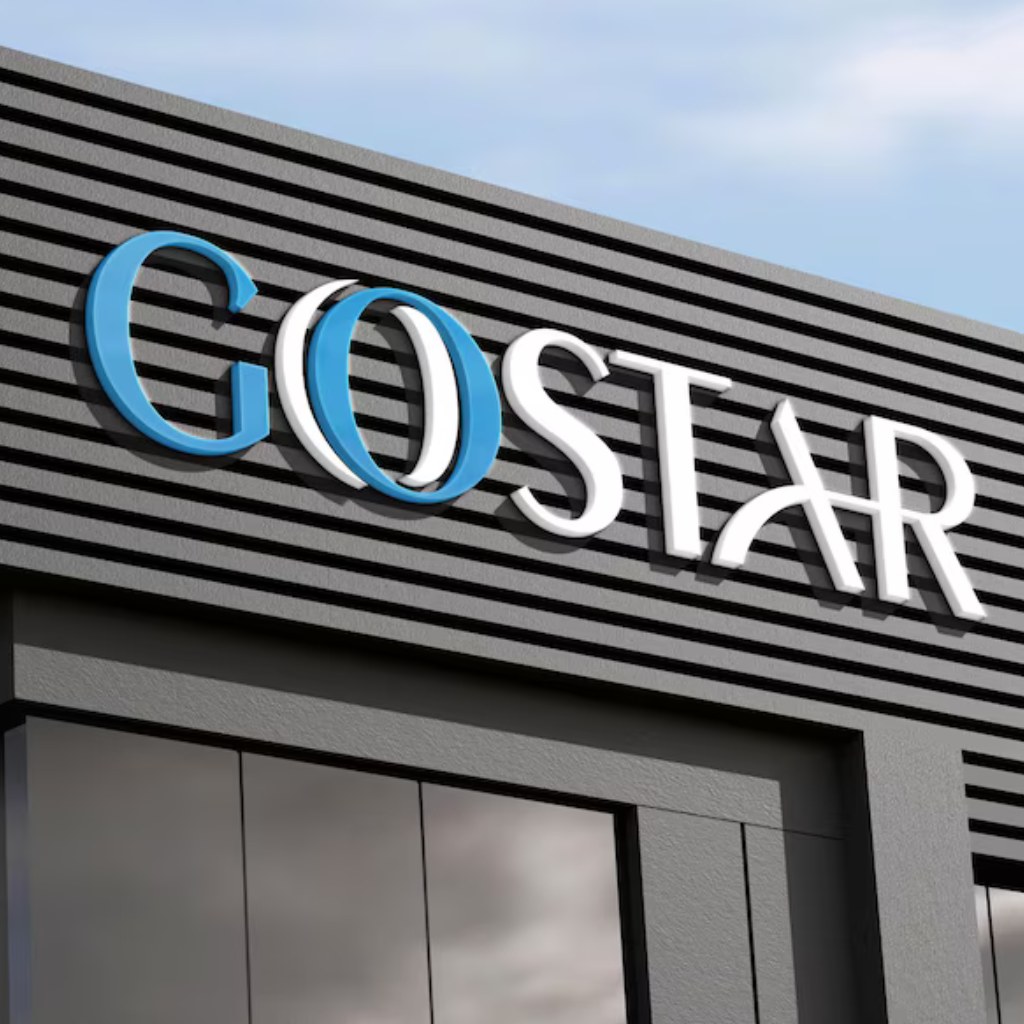
The outdoor signage trends shaping 2027 are brighter, smarter and more durable, but the right ones for you depend on your location, opening hours and budget. A cafe on Deansgate needs something different from a business park in Trafford Park or a clinic in a conservation area.
Outdoor signage still does the basic job of helping people find you and remember you. What has changed is the technology behind it, the materials used and the way businesses think about long-term running costs.
Nowadays, UV-protected vinyls are popular for outdoor signage durability. High-pressure laminates are also in demand for weather-resistant signage. Meanwhile, digital signage is expected to grow from $10 billion in 2024 to $15 billion by 2035.
Below are some trends we, at Manchester Signs Centre, see most often across Manchester and the wider UK, with expert guidance on how to choose between them.
Quick Overview of Outdoor Signage Trends
2027 is going to present a dynamic landscape with the following outdoor signage trends:
|
Trend |
Typical Materials |
Lifespan |
Best For |
|---|---|---|---|
|
Illuminated signs |
LED modules, acrylic, aluminium |
7 to 10 years |
Retail, hospitality, late-opening venues |
|
3D built-up letters |
Stainless steel, aluminium, acrylic |
10 years or more |
Offices, premium retail, hotels |
|
Durable aluminium and acrylic |
Dibond, aluminium, acrylic |
7 to 10 years |
Shopfronts, healthcare, industrial units |
|
Digital displays |
LCD or LED panels in weatherproof housings |
5 to 8 years |
Retail, restaurants, high traffic locations |
|
Minimalist design |
Any, with high-contrast finishes |
Depends on material |
Offices, professional services |
|
Sustainable materials |
Recycled aluminium, recycled acrylic, low-energy LEDs |
7 to 10 years |
Any sector with ESG goals |
Why Does Outdoor Signage Still Drive Brand Visibility?
Good outdoor signage plays a critical role in brand visibility. It builds brand recall, makes a strong first impression and gives passers-by a reason to step inside.
A FedEx Office survey found that 76 percent of consumers enter a store they have never visited before based on its signs. The research was carried out with American consumers, but the consumer behaviours it describes will be familiar to anyone who runs a high-street unit. The same survey found that 52 percent are less willing to enter a store with misspelled or poorly-made signs.
That is why the 2027 outdoor signage trends focus on three things:
-
Visibility: illuminated signs and clear signage design that work day and night in busy public spaces.
-
Durability: durable signage that survives Manchester rain, wind and winter salt, which keeps long term costs down.
-
Efficiency: LED technology and smarter controls that improve energy efficiency and cut energy consumption.
For a wider look at new technologies, our guide to innovative technologies in outdoor signage covers where signs and LEDs are heading next.
Which Outdoor Signage Trends Matter Most in 2027?
Outdoor advertising has also moved beyond flat vinyl prints, and many businesses seeking a competitive edge now treat the sign as part of the wider brand’s story. Here are some trends suggested by our experts to increase the sales and brand visibility in 2027.
1. Illuminated Signs for Day and Night Visibility
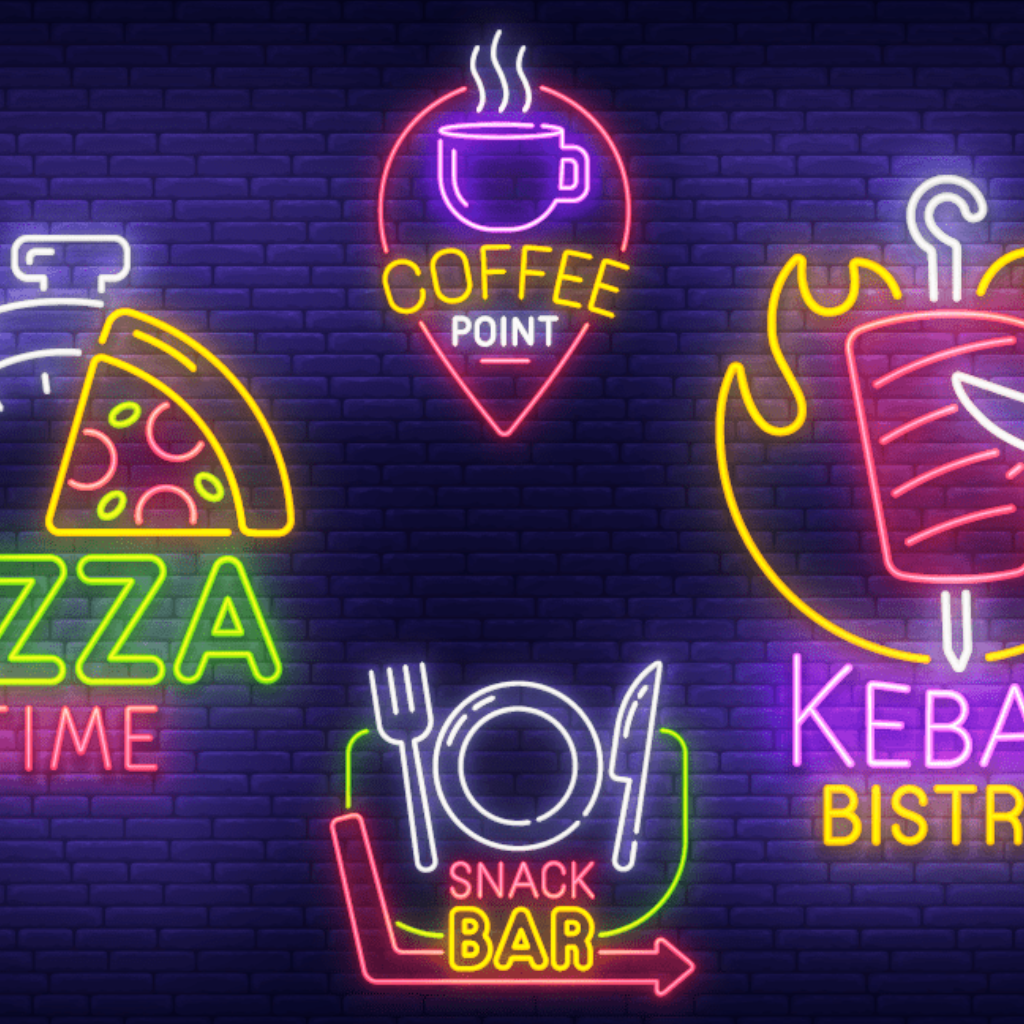
Illuminated signs remain the strongest trend for businesses that trade after dark. LED signage leads the illumination segment, valued at $18 billion in 2024. LED technology has made signs cheaper to run, brighter and easier to maintain than older fluorescent or cold cathode options. Compared with traditional neon, LED innovative technologies can use far less energy.
Common formats include:
-
LED light boxes: light boxes suit retail parks, shopping centres and projecting signs on busy streets.
-
Neon-style LED signs: neon signs work well for restaurants, cafes and bars, especially behind glass, with vibrant colors that stand out in the evening.
-
Halo-lit and face-lit channel letters: a clean look for offices, hotels and showrooms.
Why is it growing?
-
Modern LED modules use far less power than older lighting.
-
High visibility in low light helps capture attention and attract attention on dark winter evenings.
-
Colour and brightness can be matched to your brand identity, which supports brand recall.
One planning point matters here. The majority of illuminated signs normally need advertisement consent. Some benefit from deemed consent, depending on the size, position and illumination of the advert. Check with your local planning authority before you order, particularly in a conservation area.
Example: A cafe near Salford Quays fitted halo-lit LED letters to improve its evening appeal and attract more customers after dark. For a deeper look at lighting design, see our guide to night visibility signage.
2. 3D Built-Up Letters for a Premium Look
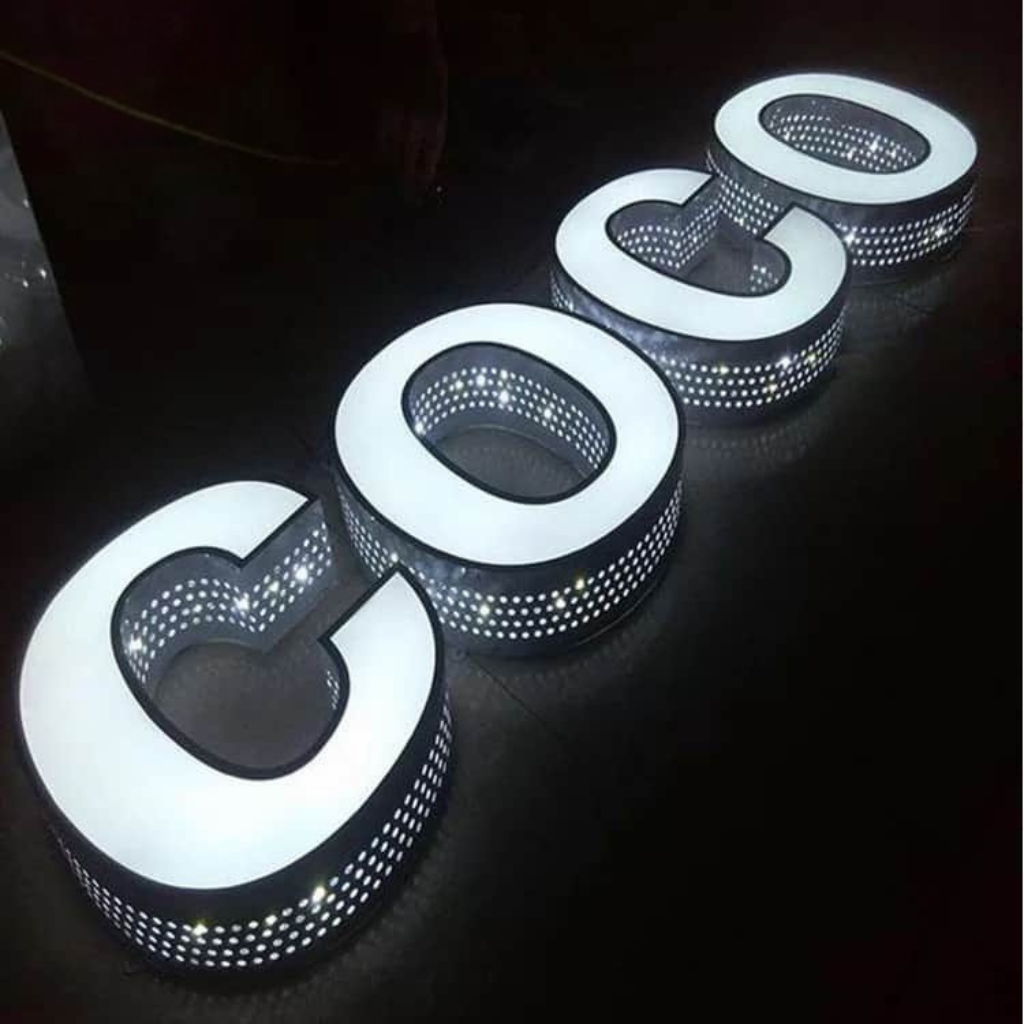
3D lettering gives a bold, professional impression and a lasting impression of quality. Businesses are shifting towards:
-
Stainless steel 3D letters: ideal for high-end brands and corporate buildings.
-
Acrylic and aluminium built-up letters: our built-up 3D letters suit modern shopfronts and office entrances.
-
Illuminated 3D signs: visibility day and night, with front-lit, halo-lit or both.
Why is it growing?
-
Adds depth and sophistication to your signage design.
-
Works for both indoor and outdoor branding, and can form part of experiential signage that combines architecture, graphics and lighting.
-
Durable, weather-resistant options are available.
Example: A high-street clothing brand installed illuminated 3D lettering at its storefront to stand out from neighbouring units.
3. Durable Aluminium and Acrylic Signage
Aluminium and acrylic are the usual choice for long-term outdoor signage. They are lightweight, hold colour well and cope with UK weather far better than cheaper boards. Modular panels also make updates and repairs simpler, which reduces waste.
-
Weatherproof aluminium signs: suitable for shopfronts and industrial areas. Our rimless plain 3D letters are one clean, modern example.
-
Acrylic panel signage: used for professional corporate branding.
-
Dibond and composite panels: highly durable for outdoor applications and cost-effective for larger fascias.
Why is it growing?
-
Withstands heavy rain, wind and UV exposure.
-
Lightweight yet strong, so fixings are simpler.
-
Suits shops, offices, clinics and commercial buildings.
Example: A property agency in Manchester installed Dibond aluminium signage at its office entrance for long-term durability.
4. Digital Displays and Interactive Screens
Digital signage keeps growing because dynamic content can change in minutes. Digital displays let you show promotions, menus and product launches without reprinting anything. Digital technology is also moving into outdoor advertising, with digital billboards replacing static sites in some locations and 3D formats improving viewer retention.
Interactive displays and interactive screens with touch capability are appearing in retail and hospitality, where customer engagement matters. Some set-ups use QR codes or NFC chips, and smart technology can change content by time of day.
Digital signage solutions grow at an 8% CAGR over five years. Newer systems add augmented reality or AI-driven personalisation, which can create immersive experiences and help people engage with a brand.
-
Real-time updates for offers, opening hours and events.
-
Better customer engagement and driving engagement through touch or QR features.
-
Data driven insights on which content works, allowing businesses to refine messages.
Outdoor screens do need to be specified carefully. LCD screens and LED displays need weatherproof housings, high-brightness panels and cooling, and digital signage trends are moving towards automatic dimming to reduce glare and energy consumption. Digital signage market projected to reach $64.31 billion by 2035.
Digital integration with your content system also matters if you plan ahead for a wider digital transformation. As with other illuminated signs, animated or flashing displays can trigger the need for express consent. Our overview of digital signage trends goes further on screens and content.
Example: Restaurants use digital menu boards to adjust pricing and promote daily specials instantly.
5. Minimalist and Modern Designs
Less is more in outdoor signage. Businesses are choosing sleek, simple layouts with high-contrast colours so the message reads quickly from a distance. Accessible signage design, with clear lettering and good contrast, also makes a sign usable for a broader audience.
-
Clean minimalist designs improve readability.
-
Modern visual appeal supports a more confident brand perception.
-
The approach works across offices, healthcare and retail, and in high traffic areas where people only glance.
A practical rule is to keep a sign to a logo, a short descriptor and perhaps a contact detail. Anything more tends to be ignored by people passing at speed.
Example: Corporate offices use simple metal plaques with engraved or applied logos for a refined look.
6. Sustainable and Eco Friendly Materials
Sustainability is now a buying factor, not a bonus. More businesses are asking about carbon footprint, recycled materials and the environmental impact of a sign over its full life. Eco friendly materials and sustainable materials now range from recycled aluminium to reclaimed woods and bamboo for some interior or sheltered uses.
Practical steps for sustainability goals include:
-
Recycled materials: aluminium and some acrylics have high recycled content and can be recycled again at end of life.
-
Efficient lighting: LED technology cuts energy use, and timers or photocells stop signs running when they are not needed.
-
Longer lifespans: a sign that lasts 10 years has a lower carbon footprint than one replaced every three.
-
Solar powered signage: useful for car park, trail or temporary site signs where mains power is not available.
Choosing durable materials is often the most sustainable decision, because fewer replacements mean less waste.
7. Weather-Resistant, Long-Lasting Signage
Outdoor signs must cope with rain, wind, frost and strong sun. That has pushed demand towards better protective coatings and stronger materials, including stainless steel and powder-coated aluminium.
-
Less wear and tear from harsh weather.
-
Lower maintenance, fewer call-outs and lower long term costs.
-
Ideal for exposed outdoor business locations.
Example: Hotels often choose stainless steel signs with protective coatings to keep their finish for years.
Even durable signage needs basic care. Our outdoor shop sign maintenance tips cover cleaning and inspection routines for UK weather. It is also a legal point: outdoor advertisements must be kept clean and tidy and kept in a safe condition.
Which Outdoor Signage Trends Suit Your Sector?
The same trend will not suit every business. Here is where we see each one working best:
-
Retail: illuminated light boxes, 3D letters and digital displays with real time content updates for promotions, product launches and seasonal campaigns.
-
Hospitality: neon-style LED signs, halo-lit lettering and weatherproof menu boards. See our guide to restaurant signage trends.
-
Offices: minimalist aluminium, acrylic or stainless steel lettering with a premium finish.
-
Healthcare: clear, high-contrast, low-glare signage that is easy to read and simple to keep clean.
If your building is listed or in a conservation area, plan for more time. Even signs normally permitted within the advertisement regulations require separate listed building consent if attached to listed buildings.
How Do You Choose the Right Outdoor Signage for Your Business?
Selecting the right option depends on location, budget and brand. Whatever your advertising budgets, modern solutions should be judged on running costs as well as the upfront price. Use this checklist before you commit:
-
Durability: choose aluminium, Dibond, acrylic or stainless steel for exposed sites.
-
Visibility: check fonts and colours read clearly from a distance, and at night if you trade late.
-
Technology: consider digital displays or QR codes if your offers change often.
-
Sustainability: ask about recycled content, LED efficiency and expected lifespan.
-
Consent: confirm whether you need advertisement consent, particularly for illuminated or freestanding signs.
It is also worth planning for refresh cycles. Many businesses update promotional graphics every season, while the main fascia or totem is expected to last 7 to 10 years. If you run time-limited offers, our ideas for seasonal outdoor business signage show how to do that without replacing the whole sign.
At Manchester Signs Centre, our signs are designed, manufactured and installed in-house by our Greater Manchester team, so material and lighting choices are made with the finished result in mind. We also offer free design, free site visits and no-obligation quotes, which makes it easy to compare options before you commit.
Choosing Outdoor Signage to Match 2027 Trends With Manchester Signs Centre
These services fit the trends above and can be combined on one project.
-
Outdoor Signs: weatherproof exterior signage for shops, offices and sites, built from durable materials suited to UK weather.
-
Light Boxes: illuminated signs that stay visible day and night, using efficient LED technology.
-
3D Built-Up Letters: premium lettering and logos in stainless steel, aluminium or acrylic for a lasting impression.
Outdoor Signage Trends FAQs
What are the biggest outdoor signage trends for 2027?
The biggest trends are illuminated signs, 3D built-up letters, durable aluminium and acrylic, digital displays, minimalist design and sustainable materials. Interactive signage solutions are also becoming increasingly common in outdoor advertising. The best fit depends on your location and trading hours.
Do I need permission for illuminated outdoor signs?
Usually yes. The majority of illuminated signs normally need advertisement consent, although some qualify for deemed consent depending on size, position and illumination. Check with your local planning authority first.
Are digital displays worth it for outdoor use?
They can be, if your offers or menus change often. You need weatherproof, high-brightness screens and an awareness that animated content may need express consent. The outdoor signage market is growing at a CAGR of 3.66% from 2025 to 2035.
What is the most durable material for outdoor signage?
Aluminium, Dibond and stainless steel are the most durable common options. With proper care, they typically last 7 to 10 years or more in UK weather.
How can I make my outdoor signage more sustainable?
Choose recycled or recyclable materials, efficient LED lighting and a design built to last. Timers and dimming controls reduce energy consumption further.
How often should I update my outdoor signage?
Main fascias and totems often last 7 to 10 years, while promotional panels and banners may change seasonally. Replace anything that looks faded, damaged or out of date sooner.
Plan Your Next Outdoor Sign With Manchester Signs Centre
If you want illuminated visibility, our light boxes are a practical starting point for shopfronts and projecting signs, with efficient LED lighting that stays clear after dark. If you want a premium finish, our 3D built-up letters add depth and a lasting impression to offices, hotels and high-street units.
We offer free design, free site visits and no-obligation quotes, with professional installation across the UK from our Salford workshop. Speak to the Manchester Signs Centre team today to discuss your requirements via our contact page.