In fact, some of the most critical interactions of businesses, organisations and public spaces happen after dark. From evening shoppers on busy high streets to drivers roaming on roads, people continue to rely on clear visual communication long into the night. Hence, night visibility signage is not just beneficial, but essential.
Night visibility signage refers to the design, placement and technology used to keep signs legible, recognisable and effective in low-light or dark conditions. In urban centres such as Manchester, London and Birmingham, where competition for attention is high and lighting conditions can vary dramatically, quality signage separates professional, trusted brands from those that fade into the background. Night visibility signage also plays a crucial role in business branding, as custom reflective and illuminated signs add brand recognition and presence after dark.
In this guide, we’ll explore night visibility signage in depth, examining how signage at night works and why it plays such a vital role across sectors including retail, hospitality, healthcare, transport and industry. We’ll also explain the UK regulations and standards of night visibility signage, to help you understand when illumination or reflectivity is required and how planning and safety considerations affect signage decisions.
What Is Night Visibility Signage?
At its core, night visibility signage refers to any type of sign or visual message that remains readable, clear and effective after dark or in poor visibility. This includes illuminated signs that generate their own light, reflective materials that bounce ambient light back to the observer, and design strategies that prioritise contrast, placement and legibility in low-light conditions.
In practical terms, this means ensuring that your business name, directions, safety information, or promotional messages are still visible and instantly understandable once dusk arrives. Because decisions from pedestrians and motorists occur after the sun goes down. Night visibility signage delivers increased visibility, making businesses and public spaces more distinguishable and memorable after dark, and helping to draw more attention even in adverse weather conditions.
The core purpose of night visibility signage is to:
- Maintain brand presence after daylight hours
- Improve safety for pedestrians, drivers and visitors
- Ensure compliance with UK legal and technical standards
- Support wayfinding, marketing and operational clarity
We will detail each of these throughout this guide.
Why Invest in Night Signage? Key Benefits for Businesses & Public Spaces
Investing in high-quality night visibility signage is more than a branding choice — it’s a strategic advantage. Illuminated signage can make your business stand out as a prominent business stand, especially in crowded or competitive environments at night. When done right, your signs deliver visibility, clarity and value at all times of day.
1. Increased Brand Exposure After Dark
Low light does not mean low attention. Research and street studies show that people continue to make spending decisions at night, particularly in retail, hospitality and leisure sectors. Night visibility signage like Illuminated shopfronts and branded night signs help draw attention and reinforce brand recall long after sunset. In addition to increasing visibility, illuminated signage enhances the aesthetic appeal of a business, making it more attractive to potential customers at night. Visibility at night builds a 24/7 brand presence that keeps your business relevant in a competitive marketplace.
Read more at Night Market Signage: How LED Signage Can Help Boost Night-Time Visibility
2. Better Safety and Navigation
Clear signage at night improves public safety and reduces confusion — especially in high-traffic environments like car parks, campuses, campuses and industrial sites. Reflective and illuminated signage plays a crucial role in road safety by enhancing visibility for both drivers and pedestrians, helping to prevent accidents and ensure safer navigation at night. According to the UK Health and Safety Executive (HSE), safety signs “should stand out enough to be noticed and kept clean and well-maintained so they are visible at all times,” emphasising the need for night visibility signage for areas where darkness may obscure visual cues.
3. Enhanced Professional Image
Customers form impressions about a business within seconds. High-quality night visibility signage creates a lasting impact by leaving a positive and enduring impression on customers. A sign that is well-lit, crisp and clear at night sends a strong message of professionalism, reliability and attention to detail — attributes that build trust and long-term customer loyalty.
4. Improved Return on Investment
While illuminated signs may have higher upfront costs compared to non-illuminated alternatives, modern LED sign illumination systems are energy-efficient and long-lasting, making them cost-effective over time. Your signage works non-stop, day and night, unlike many traditional advertising channels that require ongoing spend.
Investing in night visibility signage made with UV-resistant materials ensures long lasting durability, maintaining high performance and visibility over time while reducing the need for frequent replacements.
Key Night Visibility Techniques: Illuminated Signs, Reflectivity & More
There are several ways to make your signage stand out in low light. Most effective strategies for night visibility signage are illumination, reflective materials, lighting techniques like halo, backlit, and face-lit, design optimisation and strategic placement.
Illuminated Signs: Light That Works for You
Illuminated signs are designed to be visible in the dark by integrating a light source — often through LED technology — within or around the sign itself. These signs emit light that enhances visibility and ensures your message is clear even in total darkness.
Modern LED technology has transformed night visibility signage by delivering:
- Bright, uniform illumination
- Low energy consumption
- Long lifespan with minimal maintenance
- Strong visibility even from distance
- LED modules that boost energy efficiency and enable vibrant, eye-catching designs
LED technology also offers flexibility in design, allowing for customized lighting effects and sign shapes to suit specific branding and aesthetic needs. So, illuminated signs are ideal for businesses on busy streets, transport hubs, hospitality venues, and more.
We’ll explore different illuminated techniques and when to use them later in this article.
Reflective Materials: Passive Visibility Without Power
An alternative or complement to illuminated signs is using reflective road signs at night, which rely on light returning to its source, usually vehicle headlights, street lighting, or portable lighting, to become visible.
Unlike illuminated systems, reflective materials:
- Don’t require electricity
- Are cost-effective for large areas
- Are effective for road signage and safety messaging
- Perform well in combination with ambient light sources
- Provide enhanced visibility in low-light conditions, which is crucial for the safety of both drivers and pedestrians
Reflective night visibility signage is used in critical safety areas where clear sign recognition is essential.
In official UK traffic standards, retroreflective signs must be reflectorised if they are not illuminated, ensuring visibility for motorists and pedestrians.
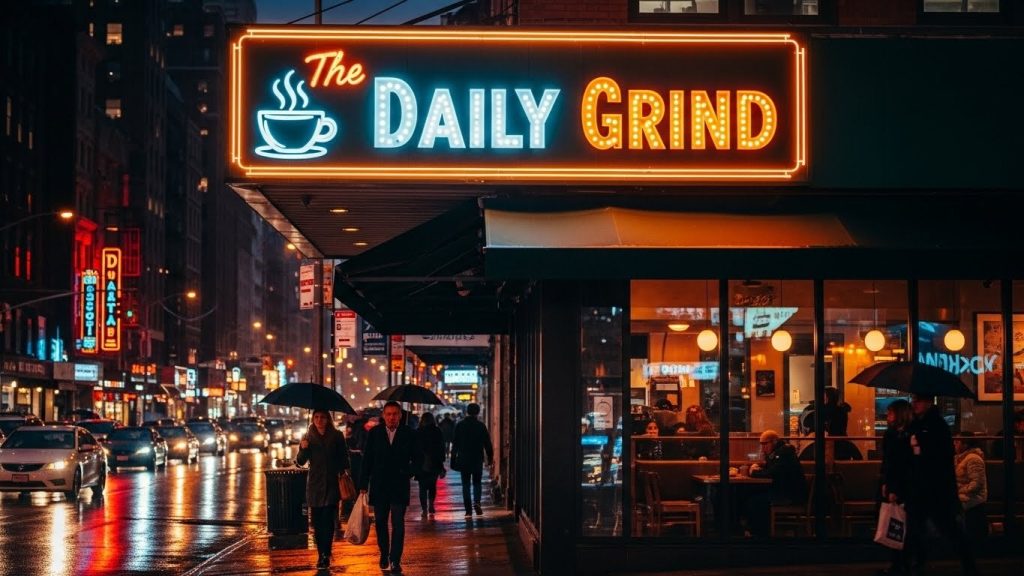
What is Illuminated Signage & LED Sign Illumination?
Why Are Illuminated Signs Effective?
Illuminated signs solve the fundamental challenge of darkness by generating their own light. They improve readability, ensure branding stands out, and are particularly useful where street lighting may be insufficient.
At the heart of most modern illuminated signage is:
- LED Sign Illumination: LED lighting offers high brightness, low heat, and excellent energy efficiency. Compared to older neon and fluorescent systems, LEDs last significantly longer and reduce energy costs.
Modern LED technology also opens up a wide range of design possibilities, including flexible shapes and creative lighting effects that allow for more complex and visually striking night visibility signage.
LED lights have quickly become the industry standard for night visibility signage, thanks to their ability to deliver vivid lighting at a fraction of the energy compared with older technology.
Common Types of Illuminated Signs
Here are some of the most common forms of illuminated signage used by businesses. Certain lighting fixtures are specifically designed to house the light source, ensuring optimal illumination and performance.
1. LED Lightbox Signs
LED lightbox signs use internal illumination to light up the entire sign, making them stand out both day and night. The LEDs are housed within the sign structure, providing even brightness across the sign face. Many lightbox signs feature a translucent face, which allows light to shine through and illuminate the graphics or letters for enhanced visibility and aesthetic appeal.
2. Backlit or Halo-Lit Channel Letters
Backlit or halo-lit channel letters use LEDs or other light sources placed behind the letters to create a glowing effect on the wall. This technique makes the signage highly visible at night, ensuring that the business name or logo is easily seen from a distance. Some channel letters also use a translucent face to allow light to pass through the front, further increasing their visual impact.
3. Edge-Lit Acrylic Signs
Edge-lit acrylic signs use LEDs placed along the edges of a clear or frosted acrylic panel. The light travels through the acrylic and illuminates the sign’s surface, creating a uniform glow that enhances readability and visual appeal.
Trough Lighting
After these common types, another effective method is trough lighting. Trough lighting uses a trough-like fixture to house fluorescent tubes or LEDs, providing efficient and even illumination across large signs and facias. This technique is especially suitable for applications where uniform lighting of the entire sign’s surface is required.
- LED Lightbox Signs
- Backlit or Halo-Lit Channel Letters
- Edge-Lit Acrylic Signs
- Digital LED Displays
Each type can be tailored to your brand and location, optimised for visibility and impact.
Where Illuminated Signs Work Best
Illuminated signage is especially effective for:
- Retail and high-street shops
- Restaurants and café fronts
- Hospitality venues and hotels
- Transportation hubs and stations
- Healthcare facilities
- Large commercial complexes
These environments benefit most where there’s heavy footfall, competition for attention, and a need for prominent visual messaging.
Also read benefits, installation best practices, and tips of illuminative outdoor signs.
Reflective Signage: Enhancing Visibility with Retroreflection
Reflective road signs at night or reflective signage use materials engineered to reflect incoming light back toward its source, making them particularly effective in combination with external light sources like streetlights or vehicle headlights. Using UV resistant materials in reflective signage is crucial, so they can stay bright and effective over time as outdoor signs.
Reflective sheeting is suitable for a wide range of vehicle types and applications, making it a versatile choice for night visibility signage.
How Reflective Road Signs Work
Reflective signs are coated or made with retroreflective materials — tiny optics that reflect light directly back to drivers or observers. This means that even without an internal lighting system, a sign can appear luminous when hit by an external light source.
This technology is widely used in:
- Traffic signs
- Directional wayfinding signage
- Safety and hazard warnings
- Parking and access signs
Reflective options are especially relevant for environments where power access is limited or where maintenance of electrical systems isn’t practical.
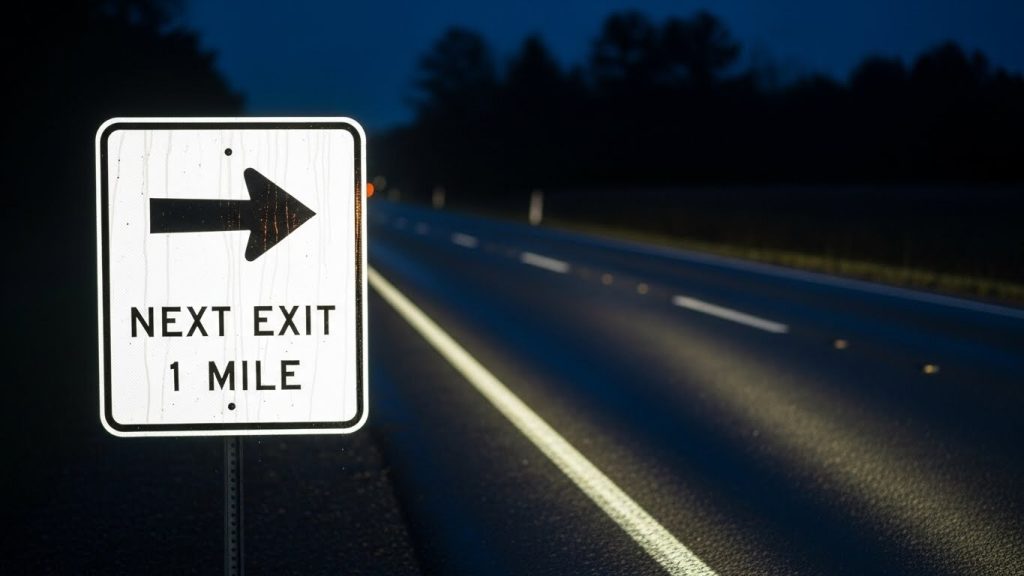
Benefits of Reflective Signage
Reflective materials:
- Provide visibility without electricity
- Are highly effective with vehicle headlights
- Are suited to roadside and industrial safety applications
- Complement illuminated signage in mixed environments
- Maximise visibility, especially in low-light or nighttime conditions
They’re a core component of compliant traffic signage systems across the UK.
Other Effective Night Visibility Techniques
Beyond illumination and reflectivity, there are several additional tools for night visibility signage. They can enhance how people see and interpret your signs after dark.
High-Contrast Colour & Typography
Strong contrasts, such as bold white text against dark backgrounds, improve readability during night hours. Clear, legible fonts and appropriately sized lettering help ensure messages are understood quickly.
Photoluminescent (Glow-in-the-Dark) Signage
These signs absorb ambient light during the day and emit a visible glow in darkness, helping with emergency guidance or safety routes during power outages. They are especially useful in internal environments like workplaces, warehouses, and public buildings.
Strategic Placement & Lighting Angles
Signage should be positioned so that it aligns with expected viewing angles — especially for motorists. Using external lighting placed at appropriate angles minimises glare and shadows, improving visibility and comprehension.
Combining placement strategy with lighting design yields better visibility than relying on illumination alone.
UK Compliance & Regulations for Night Visibility Signage (Detailed Coverage)
One of the most important — yet commonly misunderstood — aspects of night visibility signage is compliance. In the UK, signage is regulated by both safety and planning frameworks. Understanding what is legally required protects you from enforcement action and ensures your signage is effective and lawful.
1. Traffic Signs Regulations and General Directions (TSRGD)
The Traffic Signs Regulations and General Directions (TSRGD) 2016 is the key legal framework governing roadside signage and the visibility requirements of signs used on the public highway.
According to these regulations:
- Upright signs must either be illuminated throughout the hours of darkness or reflectorised if they are not lit.
- When a sign is illuminated, all parts except black areas must be reflectorised if retroreflective material is used.
They ensure that illuminated signs and reflective night visibility signage are legally compliant. For instance, if a sign uses retroreflective material, then every coloured part (except black) must also be reflectorised, partial reflectorisation is explicitly unlawful.
Practical Implication: If you install road or safety signs near public highways, you must follow TSRGD criteria to ensure your signage is legally enforceable, visible, and safe.
2. Street Lighting & Illumination Requirements
Emergency and traffic-critical signs placed within lit areas must often be illuminated or reflectorised. For example, signs placed within 50 metres of street lighting systems on primary roads must either remain illuminated while streetlights are on or be both illuminated and reflectorised.
This combination of requirements ensures both illuminated signs and reflective signs at night are useful and compliant in real-world night environments.
3. Health & Safety Regulations
Under the UK Health and Safety framework, especially as advised by the HSE, signs that affect public movement or safety must “stand out enough to be noticed” and be kept visible at all times, including darkness.
This often applies to environments such as workplaces, hospitals, warehouses and public buildings where safety sign visibility is crucial.
4. Planning Permission and Local Council Policies
For businesses and private sites, planning rules apply to night visibility signage, especially for illuminated signs.
When Planning Permission Is Likely Required:
- For illuminated signs that change the external appearance of a building
- If the signage is above a certain size
- If it’s in a conservation area or on a listed building
Local councils assess aspects such as lighting hours, brightness and visual impact on neighbours or traffic. If in doubt, always consult your local planning authority. This is distinct from highway signage standards (TSRGD) and largely relates to advertising consent and aesthetic control.
Factors to Consider When Choosing Night Visibility Signage
Selecting the right night visibility signage involves certain critical aspects. To achieve maximum effectiveness, safety, and compliance, we must carefully assess several interrelated factors before deciding whether illuminated, reflective, or hybrid signage solutions are most appropriate. Below, we break down each critical consideration in detail.
1. Purpose of the Signage: Branding, Safety, or Wayfinding
The first and most important question we should ask is: what is the primary function of the night visibility signage?
- Branding and advertising signage aims to attract attention, reinforce brand identity, and influence customer behaviour. This typically benefits from illuminated signs or LED sign illumination, which provide strong visual presence and colour accuracy after dark.
- Wayfinding signage focuses on helping people navigate a space efficiently. Clear legibility, logical placement, and consistency matter more than dramatic illumination.
- Safety and regulatory signage prioritises instant recognition and clarity. In these cases, reflective road signs at night or illuminated safety signs may be legally required.
Understanding the sign’s role allows us to select the appropriate visibility technique while ensuring the message is conveyed quickly and accurately in low-light conditions.
2. Target Audience and Viewing Behaviour
Who needs to see the sign and how plays a major role in determining the most suitable night visibility signage solution.
- Pedestrians generally view signs at closer distances and slower speeds, meaning illuminated shopfront signs and window displays are highly effective.
- Drivers require signage that can be read quickly at speed. For these scenarios, reflective signage at night or well-positioned illuminated signs with clear typography are essential.
- Staff, visitors, or patients in controlled environments (such as hospitals, campuses, or industrial sites) need signage that prioritises clarity, contrast, and consistency.
We must also consider viewing angles, eye-level height, and the likelihood of distraction, all of which affect how effective night visibility signage will be.
3. Location and Environmental Conditions
The physical environment surrounding your signage has a significant impact on how it performs at night. Key location-based factors include:
- Urban vs suburban or rural settings: Urban areas often have high levels of ambient light, which can reduce contrast and visibility if signage is poorly designed. In contrast, darker suburban or rural locations may require stronger illumination or higher-grade reflective materials.
- Existing street lighting: If a sign is located near street lighting, reflective signage may be sufficient. However, in poorly lit areas, illuminated signs or additional external lighting may be necessary.
- Weather exposure: UK weather conditions, rain, fog, frost and grime, can reduce visibility at night. Materials and finishes must be chosen to maintain legibility despite these challenges. Signage should also be constructed from materials that can withstand extreme temperatures to ensure durability and reliable performance in all weather conditions.
Assessing environmental context ensures that night visibility signage performs reliably year-round, not just under ideal conditions.
4. Illuminated Signs vs Reflective Signage: Choosing the Right Technology
A common decision point is whether to use illuminated signs, reflective signage, or a combination of both. Each technology serves a distinct purpose, and the right choice depends on how, where, and by whom the signage will be viewed after dark.
Illuminated Signs
Illuminated signs are generally the preferred option where branding, visibility and visual impact are the primary goals.
Because they generate their own light, illuminated signs remain clearly visible regardless of surrounding lighting conditions. This makes them particularly effective for retail shopfronts, hospitality venues, high-street businesses and commercial buildings that compete for attention in busy urban environments.
Modern LED sign illumination has made illuminated signage more efficient and reliable than ever, offering consistent brightness, excellent colour reproduction and significantly lower energy consumption compared to older neon or fluorescent systems.
From a branding perspective, illuminated signs create a strong visual presence and help businesses remain recognisable long after daylight hours, reinforcing brand awareness and professionalism through the night. However, illuminated signage does require access to a power supply and, in many cases, may be subject to planning permission or local council controls, particularly in conservation areas or residential locations. Best suited for:
Reflective Signage
In contrast, reflective signage does not produce light of its own but instead relies on external light sources such as vehicle headlights or street lighting to become visible. This makes reflective materials especially effective for reflective road signs at night, safety warnings, directional signage and industrial applications where power access may be limited or impractical.
Reflective signage plays a crucial role in environments where clarity and safety are paramount, including transport networks, car parks, construction sites and factory settings. Retroreflective materials used in these signs are designed to return light directly back toward its source, ensuring that information remains legible to drivers and pedestrians in low-light conditions.
While reflective signage may not deliver the same branding impact as illuminated signs, it is highly cost-effective, durable and often essential for regulatory compliance, particularly in roadside and public safety contexts.
In many real-world applications, the most effective approach to signage at night is not choosing one technology over the other, but combining both. Illuminated signs are used to showcase branding and attract attention, while reflective signage supports safety, navigation and compliance in surrounding areas. By carefully assessing visibility needs, environmental conditions and regulatory requirements, we can determine whether illuminated signs, reflective solutions or a hybrid system will deliver the best results.
5. Compliance with UK Regulations and Standards
Compliance is a non-negotiable factor when selecting night visibility signage. In the UK, signage may fall under different regulatory frameworks depending on its function and location.
- Road and highway signage must comply with the Traffic Signs Regulations and General Directions (TSRGD), which specify when signs must be illuminated or reflectorised during hours of darkness.
- Workplace and public safety signage must meet Health and Safety Executive (HSE) requirements for visibility, clarity and maintenance.
- Commercial illuminated signage may require planning permission from the local council, particularly if it affects visual amenity or is located in a conservation area.
Failing to meet compliance requirements can result in enforcement action, fines, or forced removal of signage — making regulatory awareness essential during the planning stage.
6. Power Availability and Energy Efficiency
For illuminated signage, access to power and long-term energy costs must be considered carefully.
- LED sign illumination is now the industry standard due to its high efficiency, low heat output and long operational life.
- LEDs consume significantly less energy than older fluorescent or neon systems, reducing ongoing costs.
- Where power access is limited, solar-assisted lighting or reflective alternatives may be more practical.
Energy-efficient solutions not only reduce operating costs but also align with sustainability goals increasingly valued by businesses and local authorities.
7. Material Durability and Maintenance Requirements
Night visibility signage must remain effective over time. Poor material choices can lead to fading, reduced reflectivity or electrical issues that compromise visibility.
When selecting materials, we should consider:
- UV resistance to prevent colour fading
- Weather resistance for rain, frost and wind
- Ease of cleaning and maintenance
- Long-term performance of reflective coatings or LED components
High-quality materials keep night visibility signage compliant throughout its lifespan.
8. Budget vs Long-Term Value
While budget is always a factor, it’s important to balance upfront costs against long-term performance and value.
- Lower-cost signage may save initially but degrade quickly or fail compliance checks.
- High-quality illuminated or reflective signage often delivers better return on investment through longevity, reduced maintenance and improved visibility.
- Well-designed night visibility signage also contributes to increased footfall, improved safety and stronger brand perception.
Investing wisely at the outset often prevents costly replacements or upgrades later.
9. Professional Design, Installation & Ongoing Support
Finally, choosing an experienced signage provider ensures that all technical, aesthetic and regulatory factors are addressed correctly.
Professional signage specialists help with:
- Visibility assessments
- Design optimisation for night-time conditions
- Material and lighting selection
- Compliance guidance
- Safe installation and aftercare
This end-to-end approach ensures your night visibility signage performs exactly as intended both visually and legally.
Industry Applications: Where Night Visibility Signage Matters Most
Different sectors benefit from night visibility signage solutions:
- Retail & High Street: Illuminated signage attracts night shoppers and increases visibility
- Hospitality & Leisure: LED sign illumination draws footfall into restaurants, bars and hotels
- Healthcare: Clear safety and wayfinding signs improve patient and visitor experience, even at night
- Transport: Airports, stations and logistics hubs rely heavily on both illuminated and reflective systems
- Industrial & Warehouses: Reflective and illuminated signage improves safety and operational clarity
- Roadways: Reflective signage and sheeting are essential for enhancing night visibility and safety for drivers and pedestrians, making them a critical part of road safety infrastructure.
Each sector requires a unique combination of lighting, placement, design and regulatory compliance for night visibility signage.
Illuminate Your Brand with Msigns: Manchester’s Trusted Signage Experts
At Msigns, we specialise in designing, manufacturing and installing high-quality night visibility signage tailored to your brand and compliance needs. Based in Manchester and serving businesses across the UK, our services include:
- Custom illuminated signs with advanced LED sign illumination
- Durable reflective signage solutions for safety and visibility
- Project management, express services and competitive pricing
- Expert guidance on compliance, planning and installation
Whether you’re refreshing your existing signage or starting a new project, we’re here to help you stand out, day or night. Contact us for a Personalised Consultation and let Msigns light the way for your brand.