Outdoor signage is more than a visual identifier. It is a critical business asset that works around the clock to promote your brand, guide customers, and communicate key messaging. In the UK’s varied climate, from sunlit summer days to rainy, windy winters, long-lasting signage materials are essential to keep your signage effective, legible, and visually appealing for years. There are several long-lasting signage materials available, each with their own strengths and weaknesses, making it important to select the right one for your specific needs.
Long-lasting signage materials are specifically designed to withstand prolonged exposure to rain, wind, sunlight, pollution, and temperature changes while retaining their appearance, strength, and functionality. When choosing signage materials, several factors such as durability, cost, and environmental impact should be considered to ensure the best fit for your project. By choosing materials engineered for durability, businesses can protect their investment, reduce maintenance costs, and maintain consistent brand visibility year after year. Choosing the wrong materials leads to fading, warping, corrosion, and premature replacement costs.
This comprehensive guide explains everything you need to know about long-lasting signage materials, how they perform under environmental stresses, and how to select the best solutions for your business. It includes practical, UK-relevant insights, government guidelines, real performance data, and professional recommendations for 2026 and beyond. The environmental impact of signage materials includes their effects on the environment throughout their lifecycle, from production to disposal.
Why You should Invest in Durable Signage
Durable signage is the foundation of effective outdoor branding, ensuring that your message remains clear and compelling no matter the weather. Outdoor signage UK faces constant exposure to the elements, making the choice of long-lasting signage materials a critical decision for any business or organization. Selecting the right material for outdoor signs means considering not just appearance, but also how well the sign will withstand outdoor conditions such as rain, wind, and UV rays.
Among the many options available, aluminium composite stands out as a top choice for long-lasting signage materials. This material combines two thin aluminium sheets with a robust core, offering exceptional weather resistance, durability, and versatility. Whether you’re looking to create eye-catching shopfronts, wayfinding signs, or branded exterior displays, understanding the unique characteristics of different long-lasting signage materials will help you choose the right material for your needs. By investing in high-quality, weather-resistant materials, you can ensure your signage remains vibrant and effective, reinforcing your brand identity for years to come.
Benefits of Long-Lasting Signage Materials
For any business serious about its brand presence, durable outdoor signs serve as one of the first physical touchpoints with customers. Cost considerations are crucial when selecting long-lasting signage materials, as material costs, long-term expenses, and budget all impact the choice based on durability, environment, and design needs. Whether it’s a shop front display, wayfinding sign in a parking lot, or a corporate logo on a building façade, signage must convey quality and professionalism. Choosing a cost effective material can result in significant long-term savings by reducing the need for frequent replacements.
Poor material choices result in signs that degrade quickly — faded colours, peeling graphics, or structural failure — which can undermine customer perception and damage brand authority. Durability matters for several reasons: Higher upfront costs of durable materials like aluminum and stainless steel are offset by their 7–15 year lifespan, making them more economical than cheaper materials that may need replacement every 1–3 years.
1. Cost Savings Over Time
While cheaper materials may attract at first glance, signs built with inferior substrates often require frequent replacement or repair. By investing in high-performance materials designed to withstand outdoor conditions, businesses can reduce lifecycle costs, avoiding repetitive production expenses.
2. Brand Authority and Consistency
Outdoor signs represent your brand in public spaces 24/7. Strong, undamaged signage communicates reliability, attention to detail, and professionalism. Signs that age poorly can convey the opposite message.
3. Compliance and Safety
In public and commercial spaces, signage often needs to comply with safety regulations and visibility standards, including for wayfinding, hazard warnings, and accessibility. Durable materials help ensure signs remain compliant throughout their service life.
The UK’s outdoor environments can be challenging for signage. According to the UK Met Office, conditions range from heavy rainfall and wind to UV exposure, all of which impact materials differently. Planning for this environmental stress is essential for sign longevity.
Factors to Consider When Choosing Long-Lasting Signage Materials
Different materials have their own advantages and disadvantages, and common long lasting signage signage materials include aluminum, acrylic, PVC, vinyl, plastic, and wood. It is important to note that some materials, such as PVC and certain plastics, can have a negative impact on the environment due to their production processes and non-biodegradable nature.
Here are the key factors that determine whether a sign will be short-lived or stand the test of time:
Durability
Durability refers to a material’s ability to resist physical damage — including impact, stress, and routine wear. Metals like aluminium and stainless steel are highly resistant to dents and deformation and are considered long-lasting signage materials, whereas plastics like PVC may warp or crack under pressure over time.
UV Resistance
Exposure to sunlight causes colour fading, brittleness, and breakdown of some materials. UV stabilisers and protective coatings help mitigate these issues, preserving graphic quality and legibility. UV-resistant materials and finishes are especially important for south-facing or open-space installations.
Weight and Structural Load
The weight of a sign affects installation methods and structural requirements. Heavy materials may require additional support or specialised fixings. Lightweight materials are easier to install, though they might perform differently under wind stress. Professional installation of long-lasting signage materials ensures safety and compliance.
Weather Resistance
UK conditions can include rain, frost, coastal salt spray, heat, and temperature fluctuations. Materials must resist corrosion, rot, moisture absorption, and structural stress caused by these environments. Selecting materials with high weather resistance increases sign life span and reduces maintenance needs.
Cost-Effectiveness
Cost-effectiveness isn’t merely low upfront cost. It involves balancing initial investment against lifespan, maintenance costs, and performance. Long-lasting signage materials typically offer greater value when assessed over their entire service life.
Popular Long-Lasting Signage Materials
Below is an in-depth look at widely used sign materials for outdoor signage, including characteristics, benefits, limitations, and ideal use cases. When choosing a sign material, it’s important to consider factors such as durability, weather resistance, and appearance to ensure the signage meets your needs. Plastic signs are especially popular due to their lightweight nature, flexibility, and affordability, making them suitable for both indoor and outdoor use. Selecting high quality materials is essential to ensure durability, reduce maintenance needs, and achieve long-term savings.
Aluminium: Lightweight, Durable, and Corrosion-Resistant
Aluminium is one of the most popular materials for outdoor branding across UK businesses. It is lightweight yet strong, naturally corrosion-resistant, and does not rust — making it ideal even in wet or coastal conditions.
Why Aluminium Works Well Outdoors
- Rust resistance: Unlike steel, aluminium does not oxidise in wet environments.
- Low maintenance: Occasional cleaning is usually sufficient to keep signs looking sharp.
- Versatile finishing options: It can be printed, engraved, powder-coated, or wrapped with vinyl graphics.
Aluminium is suitable for:
- Building façades and storefront signs
- Post-mounted wayfinding and directional signage
- Government and safety signage
Because of its combination of strength and adaptability, aluminium remains one of the leading choices for long-lasting signage materials.
Aluminium Composite Material (ACM)
ACM consists of two aluminium sheets bonded to a polyethylene core. Aluminium composite signs are made from a minimum of 80% recycled materials and are 100% recyclable. This design offers exceptional rigidity and is highly weather resistant, providing outstanding durability against water, rust, mold, and UV damage, which makes ACM an industry favourite for long-lasting signage materials.
Key Advantages
- Proven resistance to warping, cracking, and rust
- Smooth surface ideal for high-quality graphics and direct printing
- Lightweight and easy to install compared to solid metal
ACM performs well for:
- Large graphics panels
- Retail façades
- Architectural and corporate signage
The composite structure shields the material from moisture while maintaining structural integrity, often with expected lifespans of 7–10+ years outdoors when properly finished and installed.
PVC and Rigid Plastics
Rigid PVC (polyvinyl chloride) and similar plastics are cost-effective, lightweight alternatives used extensively in outdoor signage, particularly for temporary or semi-permanent displays. Foam PVC is a lightweight, durable material commonly used for signage, suitable for both indoor and outdoor applications. Certain plastics, including PVC, are chemical resistant, which enhances their durability in outdoor environments. PVC is a durable material for outdoor signage, offering resistance to fading, cracking, and environmental elements. Additionally, PVC is a versatile material that is commonly used for outdoor signage due to its lightweight and weather-resistant properties.To learn more benefits of PVC and similar plastic signs, including their durability, versatility, and cost-effectiveness for indoor and outdoor use, check out our detailed guide on Benefits of Plastic Signs for Small UK Businesses.
Benefits
- Water-resistant and suitable for general outdoor use
- Easily cut into different shapes and sizes
- Lightweight and simple to install
PVC is best used for:
- Promotional boards
- Construction and event signage
- Temporary directional signs
Limitation: While durable in moderate conditions, PVC may not perform as well in prolonged harsh environments compared to metal substrates.
Acrylic and Polycarbonate
Acrylic is a transparent plastic material that is often used for outdoor signage. It is highly durable and resistant to UV radiation, making it ideal for long-term outdoor use. Acrylic retains its clarity with UV resistance and does not yellow easily, although it is more brittle than metal. Additionally, acrylic can be laser-cut or engraved to create intricate designs for custom signage. Acrylic and polycarbonate are transparent plastics known for their clarity and impact resistance. Acrylic offers excellent graphic presentation and is often used for high-end brand signs, especially illuminated signage.
Polycarbonate, while similar in look, usually offers greater impact resistance, making it suitable in areas prone to vandalism or heavy use. Both materials resist moisture and UV fading when manufactured to outdoor grade.
Wood and Treated Timber
Wood remains a popular choice for businesses seeking a traditional or natural look. Wood is a traditional material that can add a rustic or natural aesthetic to outdoor signage. Treated hardwoods like oak or teak provide a rustic charm but require regular treatment to prevent rot and fading. The natural aesthetic appeal of wood enhances outdoor signage with a warm, organic, and timeless quality. Properly treated and sealed wood, such as cedar or redwood, can perform effectively outdoors, though it requires more maintenance than metals or composites.
Considerations
- Regular sealing or varnishing extends lifespan
- Untreated wood degrades quickly due to moisture absorption
- Offers rustic aesthetic appeal suitable for hospitality and artisan brands
Corrugated Polypropylene (Correx)
Corrugated polypropylene, often referred to as Correx, is a lightweight plastic material commonly used for temporary signage such as real-estate boards, directional signs at events, or construction site markers. Correx is widely used in the construction industry for temporary and short term signage solutions due to its durability, lightweight nature, and suitability for both indoor and outdoor use.
Benefits
- Weatherproof and water-resistant
- Affordable for short-term campaigns
- Easy to transport and install
Though not designed for permanent outdoor installations, Correx performs well where signs need to be visible for months rather than years.
Event Signage: Temporary and Semi-Permanent Solutions
Event signage plays a vital role in guiding guests, promoting sponsors, and enhancing the overall experience at any event. The choice of long-lasting signage materials for events depends on the duration and specific requirements of the occasion. For short-term needs, temporary signage solutions like correx boards and foamex signs are popular due to their lightweight construction, cost-effectiveness, and ease of installation. These materials are ideal for event signage that needs to be set up and removed quickly, such as directional signs or promotional displays.
For events that span several days or require a more polished look, semi-permanent solutions like aluminium signs and dibond signage offer a highly durable and professional appearance. Aluminium composite signs, in particular, provide excellent weather resistance and can withstand outdoor conditions, making them suitable for both indoor and outdoor event signage. PVC signs are another versatile long-lasting signage materials, offering a balance between affordability and durability for temporary use. By carefully selecting the right material for each event, organizers can ensure their signage remains visible, effective, and aligned with the event’s branding, regardless of the weather or duration.
Environmental Considerations for Long-Lasting Signage Materials
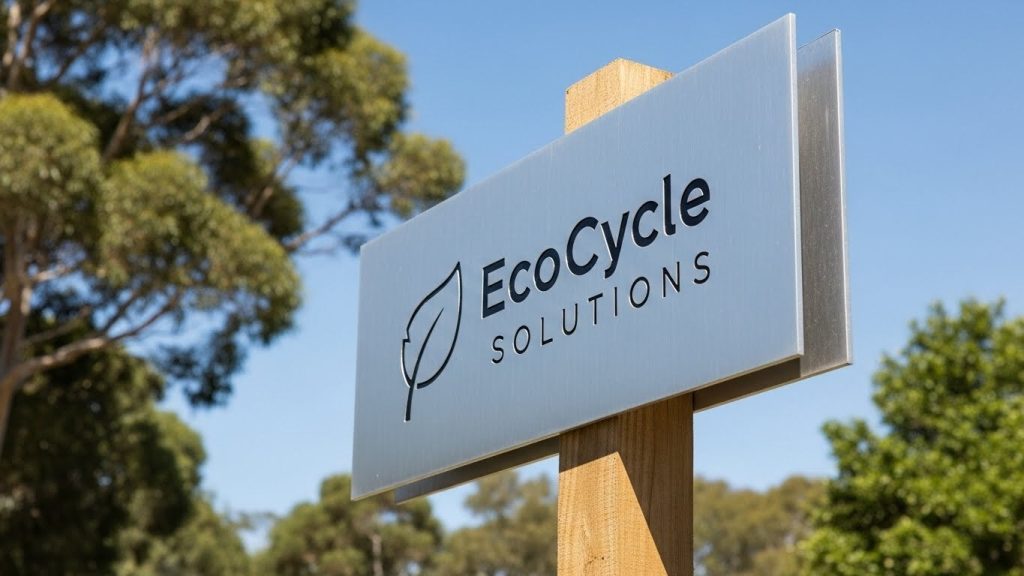
Durability and environmental impact are increasingly linked in modern signage strategy. Materials used outdoors shouldn’t just last — they should also align with environmental responsibility. Eco friendly alternatives and sustainable options for outdoor signage materials are becoming essential, as they help reduce environmental impact throughout the product’s lifecycle. Recycled plastic signs are more environmentally friendly than rigid plastic equivalents and are 100% recyclable. Eco-conscious trends for 2025–2026 emphasize long-lasting signage materials like recycled aluminum, PVC-free plastics, and FSC-certified wood. Choosing environmentally friendly signage materials is crucial for businesses aiming to minimize their ecological footprint.
Recyclability and Sustainability
- Aluminium is fully recyclable without degradation in quality, making it an eco-responsible choice for long-term signage.
- Composite materials like ACM can often be recycled at specialist facilities.
- Some manufacturers produce PVC alternatives with recycled content or more recycling-friendly formulations.
Energy and Waste Reduction
Choosing materials that endure reduces the frequency of replacements, decreasing production waste and lowering the carbon footprint associated with manufacturing and transport.
These sustainability choices can enhance brand reputation and support corporate responsibility commitments, especially for UK businesses prioritising environmental goals.
Common Outdoor Challenges and Performance of Long-Lasting Signage Materials
Outdoor signs confront several environmental stresses that influence material selection and longevity. Outdoor signage degrades faster due to exposure to UV rays, wind, rain, and temperature fluctuations. Regular maintenance is essential to extend the lifespan of long-lasting signage materials. . Learn more about how UK weather affects material longevity in our guide to outdoor signage lifespan. Inspect the sign regularly for any signs of damage or wear and tear, and repair or replace any damaged parts as necessary.
UV Exposure
Prolonged sunlight can fade colours, weaken plastics, and cause printing to degrade. UV-resistant coatings and materials help preserve graphic clarity over time.
Moisture and Rain
Water can penetrate porous materials, leading to swelling, rot, or delamination. Materials such as aluminium, ACM, and weather-treated plastics resist moisture penetration and maintain structural stability.
Temperature Fluctuations
Heat and cold cause expansion and contraction — repeated cycles can loosen fixings and contribute to cracks in rigid plastics. Metals and composites better manage thermal stress, making them preferred for long-term signage.
Wind and Storms
Strong winds can loosen or topple signs that are too lightweight or poorly anchored — materials selected for outdoor use must support secure installation in open or exposed locations.
Also Read: Business Signs Outdoor: A Guide to Choosing the Best Ones
Expected Lifespan of Outdoor Signage Materials
The longevity of outdoor signage is determined by the type of material used, the environmental conditions it faces, and the level of maintenance it receives. Aluminium signs are the most long-lasting signage materials renowned for their durability, often lasting 10 years or more when properly maintained, making them a reliable choice for long-term outdoor applications. Dibond signage, constructed from two thin aluminium sheets bonded to a polyethylene core, offers a highly durable and weather-resistant solution with an expected lifespan of 5 to 7 years, even in challenging environments.
PVC signs, while cost-effective and easy to install, typically have a shorter expected lifespan of 2 to 3 years, especially when exposed to harsh weather or direct sunlight. Acrylic signs provide a sleek, modern look but are more susceptible to fading and cracking, resulting in a lifespan of around 3 to 5 years outdoors. By understanding the expected lifespan of various long-lasting signage materials and considering factors such as weather resistance and maintenance, businesses can make informed decisions, plan for timely replacements, and ensure their outdoor signage continues to make a strong impression over time.
Does Long-Lasting Material Compromise on Appearance?
A persistent myth is that durable means dull. The truth is that modern materials deliver both longevity and visual excellence. Many long-lasting signage materials can be shaped into various shapes and custom designs to suit branding needs. Other materials, such as High-Density Urethane (HDU), are also used for outdoor signage due to their unique properties. High-Density Urethane (HDU) resists warping and cracking in harsh weather and is versatile for creating 3D shapes. Advanced printing technologies, UV-stable paints, and digital graphic applications enable stunning signage that remains vibrant over time.
Premium long-lasting signage materials like ACM and powder-coated aluminium allow for custom finishes, from glossy corporate branding to textured matte looks — while retaining structural resilience. Even traditional materials like wood can be finished to high aesthetic standards while enduring outdoor conditions when properly treated.
Signage Material Maintenance and Longevity Tips
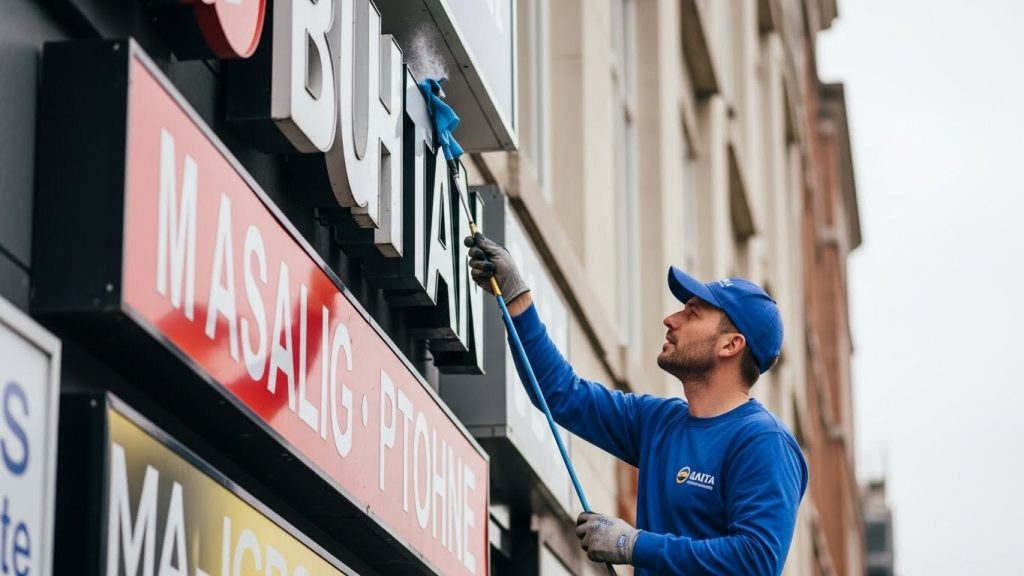
Even the most popular long-lasting signage materials can’t survive without proper care. Follow the following tips and you won’t need to replace your brand signage in decades.
- Regular cleaning is essential to preserve the appearance and performance of outdoor signage. To maintain outdoor signage, it is important to regularly clean the sign using mild soap and water, which helps prevent damage and prolongs the sign’s lifespan. Foam board is a lightweight, versatile signage material suitable for both indoor and outdoor use, offering durability and ease of handling for temporary displays and safety boards. Some long-lasting signage materials, such as self-adhesive vinyl stickers, are designed specifically for indoor use only, so it’s important to consider the intended environment and surface compatibility.
- Periodic inspection of signage structures helps identify early signs of wear or damage before they become serious issues. Fixings, screws, brackets, and mounting frames should be checked for looseness, corrosion, or fatigue, particularly after periods of high wind or severe weather. Prompt tightening or replacement of fixings reduces safety risks and aligns with guidance from the UK Health and Safety Executive regarding the maintenance of fixtures in public and commercial spaces.
- Monitoring surface condition is crucial for maintaining visual quality of long-lasting signage materials. Fading colours, peeling vinyl, bubbling graphics, or surface cracks can indicate UV exposure or moisture ingress. Addressing these issues early through re-lamination, resealing edges, or replacing affected panels can significantly extend the overall lifespan of the signage.
- Protective coatings play a major role in shielding signage from environmental stress. Powder-coated metals, laminated prints, and sealed wooden surfaces provide resistance against moisture, corrosion, and ultraviolet radiation. Over time, these protective layers may degrade, especially on signs exposed to direct sunlight or constant rainfall, so periodic reapplication or refurbishment is recommended to maintain long-term durability.
- Environmental exposure should always be considered when planning maintenance schedules. Signs located near busy roads may require more frequent cleaning due to pollution buildup, while coastal signage is more susceptible to salt corrosion and may benefit from marine-grade fixings. Similarly, shaded or damp locations can encourage moss or algae growth, requiring targeted cleaning to prevent surface damage.
- Electrical and illuminated signage requires additional attention to ensure continued safe operation. Weather seals around lighting components should be inspected to prevent moisture penetration, and any flickering, dimming, or exposed wiring should be addressed immediately. Regular checks on long-lasting signage materials reduce the risk of electrical faults and help maintain consistent visibility, especially during darker months.
- Proactive maintenance planning is more cost-effective than reactive repairs or full replacements. Establishing a routine inspection and care schedule helps businesses maximise the value of long-lasting signage materials, maintain a professional brand image, and reduce unnecessary waste.
Within the sign industry, adhering to standards for maintenance and longevity is essential for ensuring signage remains effective and compliant. With consistent upkeep, outdoor signage can continue to perform effectively and visually for many years beyond its expected lifespan.
Upgrade Your Outdoor Branding with Durable, High-Impact Signs
At Msign (Manchester Signs Centre), we help businesses across the UK stand out with expertly crafted signage built for durability, performance, and visual impact. From concept to installation, our team uses proven, long-lasting signage materials to ensure your brand remains visible, professional, and cost-effective in all outdoor conditions. Whether you need rapid turnaround, unbeatable pricing, or a dedicated project manager for larger installations, we are committed to delivering signage that works as hard as your business does. Get in touch today to request a quote and make your brand visible with long-lasting signage materials.