In the evolving landscape of UK commerce, businesses are increasingly turning to digital signage as a versatile tool to communicate, engage, and strengthen brand presence. Unlike traditional static signs, digital signage transforms spaces into dynamic, interactive environments, capable of delivering high-impact messages in real time. Studies show that digital displays capture 400% more views than static signs and have significantly higher recall rates, proving their effectiveness in capturing the attention of potential customers.
From retail shops to corporate offices and educational campuses, the adoption of digital signage solutions is driven by the demand for flexibility, measurable results, and immersive customer experiences. Modern digital screens can continue to advertise 24/7, maximising the potential of physical space after business hours.
For organisations using digital signage, the benefits extend beyond visibility, centralised content management, real-time updates, and advanced analytics empower businesses to make data-driven decisions while enhancing operational efficiency.
Digital signage also supports interactive experiences, allowing users to engage directly with touchscreen displays, QR-triggered content, or gesture-responsive interfaces. This interaction strengthens customer engagement, reduces perceived wait times, and drives incremental sales. Whether installed in shop windows, reception areas, or public spaces, the ability to deliver dynamic content tailored to specific audiences ensures businesses maintain a competitive edge across various industries.
Drivers Behind the Shift to Digital Signage
Several factors are influencing UK businesses to invest in digital signage solutions. Changing consumer behaviour is one major driver; audiences today expect quick, engaging content that captures attention immediately. In addition, post-pandemic business environments have placed greater emphasis on flexible communication, enabling companies to adjust messaging for promotions, health guidance, and safety reminders.
Technological Advancements
Technological advancements have also made digital media displays more accessible. High-brightness screens with HDR (High Dynamic Range) enhance colour vibrancy and contrast, ensuring messages are visible even in bright conditions. Cloud-based digital signage platforms allow remote management of multiple screens across different locations, enabling businesses to update content instantly, schedule campaigns, and monitor performance from a centralised system.
Financial Considerations
Financial considerations play a significant role. Digital signage has lower long-term costs compared to traditional signage because it eliminates recurring expenses for printing and physical distribution. SmartPower functionality can further save money as it reduces electricity consumption, cutting both costs and environmental impact.
Dynamic content can also increase average transaction values for small business, boosting revenue by 5% to 25% through targeted promotions and interactive campaigns.
Versatility for Different Industries
Digital signage solutions are highly versatile, tailored to meet the specific needs of various industries. Retail businesses use indoor digital signage to display promotions and product highlights, hospitality venues enhance guest experience with interactive kiosks, and schools broadcast campus alerts and celebrate achievements. The shift to digital signage is thus underpinned by a combination of operational efficiency, customer engagement, and revenue growth potential.
Digital Media Displays: How Hardware Impacts Effectiveness
Selecting the right digital media displays is crucial for ensuring your digital signage delivers maximum impact. The hardware you choose directly affects visibility, engagement, and operational efficiency across commercial environments.
Common Display Types and Their Applications
Digital signage displays come in a range of technologies, including LCD, LED, and OLED screens. Each type has unique advantages:
- LCD screens are widely used in retail and office environments for their affordability and high resolution.
- LED displays provide bright, vibrant visuals suitable for window installations and large video walls.
- OLED screens deliver exceptional colour contrast and depth, ideal for premium experiences in hospitality or corporate environments.
Choosing the right display ensures your messages are clear and engaging, enhancing brand perception and customer engagement. Modern digital signage displays can feature HDR technology, providing vibrant colours and deep blacks that capture attention even in brightly lit environments.
Brightness, Contrast, and Visibility
High-brightness displays are essential for locations with direct sunlight, such as shop windows or open corporate spaces. Anti-glare surfaces and superior contrast ratios make digital screens readable in various lighting conditions, increasing their effectiveness compared to traditional static signs. Studies show that digital displays capture 400% more views than static signs and have a significantly higher recall rate, demonstrating the importance of investing in professional-grade hardware.
Commercial-Grade Panels for 24/7 Operation
In commercial environments, durability is as important as visual quality. Some digital signage displays are designed for 24/7 operation, offering long-term reliability without downtime. Features like heat management, anti-glare coating, and robust enclosures make these displays suitable for continuous operation, whether in retail, hospitality, or corporate settings. Digital signage can continue to advertise 24/7, maximising the potential of the space after business hours while reducing maintenance interruptions.
Connectivity and Device Integration
Modern displays support multiple connectivity options, including HDMI and USB, allowing integration with media players, computers, or interactive kiosks. This flexibility ensures your digital signage system can deliver a variety of media formats, including images, videos, RSS feeds, and web pages, providing a more engaging experience for audiences. By connecting devices to a centralised platform, businesses can manage content remotely, streamlining updates and monitoring performance across locations.
Screen Size and Placement: Maximising Engagement
The effectiveness of digital signage depends not only on the display technology but also on the size, placement, and orientation of the screen. Choosing the right configuration ensures that messages are clear, legible, and impactful, ultimately improving customer engagement.
Calculating the Optimal Screen Size
Selecting the correct screen size is essential for readability and engagement. Businesses can use the viewing distance formula to determine the ideal display dimensions: the larger the screen, the farther away it can be effectively viewed. For typical retail store windows, screens between 43 inches and 75 inches offer a balance of visibility and flexibility. In larger commercial environments, video walls or arrays of digital displays can create a more immersive experience for audiences.
Aspect Ratios and Orientation
The choice between landscape (16:9) and portrait (9:16) orientation affects how content is perceived. Portrait screens are ideal for window displays or narrow spaces, while landscape orientation works best for lobbies, conference areas, or educational spaces. Matching content layout to screen orientation ensures that digital signage content is consumed quickly and efficiently, enhancing overall effectiveness.
Mounting and Sightline Considerations
The location and mounting of a screen significantly impact its performance. Wall-mounted displays should be at eye level for maximum engagement, while freestanding kiosks or floor units must be positioned to avoid obstruction. Sightline considerations are particularly important in crowded areas such as airports, shopping centres, or corporate lobbies. Correct placement ensures that potential customers can view digital signs without difficulty, enhancing both visibility and brand perception.
Enhancing Engagement Through Strategic Placement
Strategically placing digital signage maximises impressions and encourages interaction. Retail businesses can place displays near high-traffic areas, checkouts, or product shelves to capture attention. In educational or corporate environments, screens can communicate urgent alerts, celebrate achievements, or deliver presentations. Proper placement, combined with high-quality screens, ensures digital signage communicates effectively while driving customer engagement.
Placement Strategies for Retail, Office, and Window Displays

Effective placement of digital advertising screens and alignment with other types of retail signage ensures messages reach potential customers in the right environment. Proper positioning enhances engagement, improves customer experience, and strengthens brand identity.
High-Brightness Displays for Window Locations
Window displays often face challenges with natural sunlight, which can reduce visibility. High-brightness outdoor digital signs are designed to remain clear and readable even in direct sunlight. Using professional digital signage solutions with HDR technology and anti-glare surfaces ensures that messages remain engaging and impactful, capturing the attention of passersby and increasing footfall into retail or commercial spaces.
Anti-Glare and Visibility Considerations
Anti-glare technology is essential for displays in brightly lit indoor or outdoor environments. By minimising reflections, businesses can ensure their digital signage content, ranging from images and videos to web pages and RSS feeds, remains visible at all times. This improves customer engagement and maximises the effectiveness of the display.
Testing and Optimising Placement
A/B testing different placements can help businesses determine the optimal location for maximum impact. For example, retail outlets can monitor footfall and engagement when screens are positioned near entrances versus checkouts. Similarly, corporate environments can evaluate visibility in lobbies or conference areas. Data-driven placement decisions allow organisations to optimise the return on investment of digital signage, ensuring that displays communicate effectively to their target audiences.
Maximising Engagement in Various Industries
Different industries require tailored placement strategies. In education, digital screens can be installed in common areas to broadcast campus-wide alerts and celebrate student achievements. In healthcare or industrial settings, screens can deliver urgent safety reminders or operational messages. By aligning placement with business needs, organisations enhance the effectiveness of their signage solutions while improving overall communications and customer engagement.
Digital Signage Software: Driving Efficiency and Real-Time Impact
Digital signage software is the backbone of any effective display system. It enables businesses to create, schedule, and manage content across multiple screens, providing a centralised platform to deliver messages efficiently and consistently while also preparing organisations for emerging digital signage trends of 2026.
Essential Features of Digital Signage Software
Modern digital signage software supports a wide array of media formats, including images, videos, web pages, and RSS feeds. These key features allow businesses to engage audiences with dynamic content that is visually appealing and highly interactive. Advanced platforms enable remote management of multiple screens, ensuring content is updated in real time across commercial environments, retail locations, or corporate offices.
Digital signage software also supports integration with third-party applications, allowing organisations to connect devices, apps, and services to enhance the interactive experience. For example, integrating social media feeds or live videos can boost engagement and make the content more relevant to potential customers.
Real-Time Updates and Content Flexibility
One of the most significant advantages of digital solutions is the ability to update content instantly. Whether broadcasting urgent alerts, promoting limited-time offers, or showcasing live events, real-time updates ensure messages remain timely and effective. This flexibility also enables businesses to deliver targeted content for different audiences, improving customer engagement and maximising the impact of every display.
Analytics and Performance Monitoring
Advanced digital signage platforms provide robust analytics dashboards, allowing users to measure viewer demographics, engagement times, and content effectiveness. Organisations can analyse this data to refine campaigns, optimise messaging, and make data-driven decisions. Digital signage can drive incremental sales by 5% to 25% through targeted content, while also reducing perceived wait times and improving the overall customer experience.
Supporting Business Needs Across Industries
Digital signage software is adaptable to the needs of various industries. In retail, it can promote products and enhance in-store experiences; in hospitality, it can deliver interactive directories or menus; in education, it can broadcast campus alerts or celebrate achievements. By selecting software that aligns with specific business requirements, organisations can ensure digital signs deliver measurable results and strengthen brand identity.
Choosing the Right Platform: Cloud vs On-Premise
Selecting the appropriate digital signage platform is critical for ensuring seamless content delivery, centralised control, and operational efficiency. The platform determines how content is managed, scheduled, and distributed across displays in commercial environments.
Cloud-Based Platforms: Flexibility and Remote Management
Cloud-based digital signage solutions allow users to manage and update content across multiple screens from anywhere. By connecting devices through the internet, businesses can control displays remotely, schedule campaigns, and monitor performance in real time. This capability is particularly valuable for organisations with multiple locations or screens, enabling centralised management without the need for physical intervention.
Cloud platforms also support interactive experiences, integrating mobile apps, web pages, and third-party services. Remote management ensures that content is consistent across all locations, and updates can be implemented in minutes rather than hours. Businesses can quickly adapt messaging for time-sensitive promotions, safety alerts, or operational updates, enhancing the overall effectiveness of their signage solutions.
On-Premise Platforms: Security and Control
On-premise digital signage platforms store content locally, providing organisations with greater control over data and hardware. This approach is often preferred by corporate, industrial, or government environments where data security and compliance are critical. On-premise solutions enable organisations to maintain tight control over users, permissions, and content distribution while still supporting high-quality digital media displays and interactive experiences.
Evaluating Platform Features
When choosing a platform, businesses should consider key features such as:
- Operating systems compatibility with digital displays
- User roles and permissions for content management
- Integration with various media formats including videos, images, and RSS feeds
- Real-time analytics to track engagement and content performance
Selecting a platform that aligns with business needs ensures digital signage systems are reliable, efficient, and capable of engaging audiences effectively. By leveraging either cloud or on-premise solutions, organisations can maximise the impact of their screens and create measurable results across retail, hospitality, education, and corporate sectors.
By ensuring that displays operate reliably and securely, organisations can focus on delivering engaging content that captures attention, supports brand identity, and drives measurable results across retail, hospitality, education, and corporate environments.
Tailoring Digital Signage Solutions to Business Needs
Digital signage is not a one-size-fits-all solution. Effective implementation requires aligning display technologies, content strategies, and software platforms with specific business objectives, often supported by a mix of custom signage products that reinforce brand identity. Tailored solutions improve engagement, operational efficiency, and return on investment across various industries.
Mapping Use Cases to Industries
Different sectors require customised digital signage solutions to meet their unique requirements:
- Retail: Display promotions, highlight products, and drive incremental sales through targeted visuals. Custom business signs and digital displays complement in-store messaging, while digital screens reduce perceived wait times at checkouts and engage customers throughout the store.
- Hospitality: Interactive kiosks, large-format printed graphics, and digital signs guide guests, showcase menus, and promote services, enhancing customer experience with custom sign printing.
- Education: Schools and universities use digital signs to broadcast campus-wide alerts, celebrate achievements, and provide event information.
- Corporate and Industrial: Digital signage can broadcast urgent alerts, safety reminders, and operational updates, ensuring high visibility and compliance.
By tailoring digital signage to specific industries, businesses can enhance communication, strengthen brand identity, and engage audiences effectively.
Setting Measurable KPIs
Before deployment, businesses should define key performance indicators to measure the impact of digital signage. Metrics can include engagement rates, footfall, sales lift, or operational efficiency improvements. Establishing KPIs ensures organisations can assess the effectiveness of their signage and make informed decisions about future campaigns.
Budget Considerations and ROI
Digital signage has lower long-term costs compared to traditional signage by eliminating printing and physical distribution expenses. Features like SmartPower functionality reduce energy consumption, and interactive or dynamic content drives incremental sales by 5% to 25%. Establishing clear budget tiers and ROI expectations helps businesses select the right hardware, software, and services to match their goals.
Pilot Projects for Validation
Launching a pilot project allows businesses to evaluate the effectiveness of digital signage solutions before full-scale deployment. Pilot installations can test content, placement, and interactivity, providing valuable insights for optimisation. This approach minimises risk, ensures alignment with business needs, and maximises the impact of digital signs across commercial environments.
Measuring Impact and ROI of Digital Signs
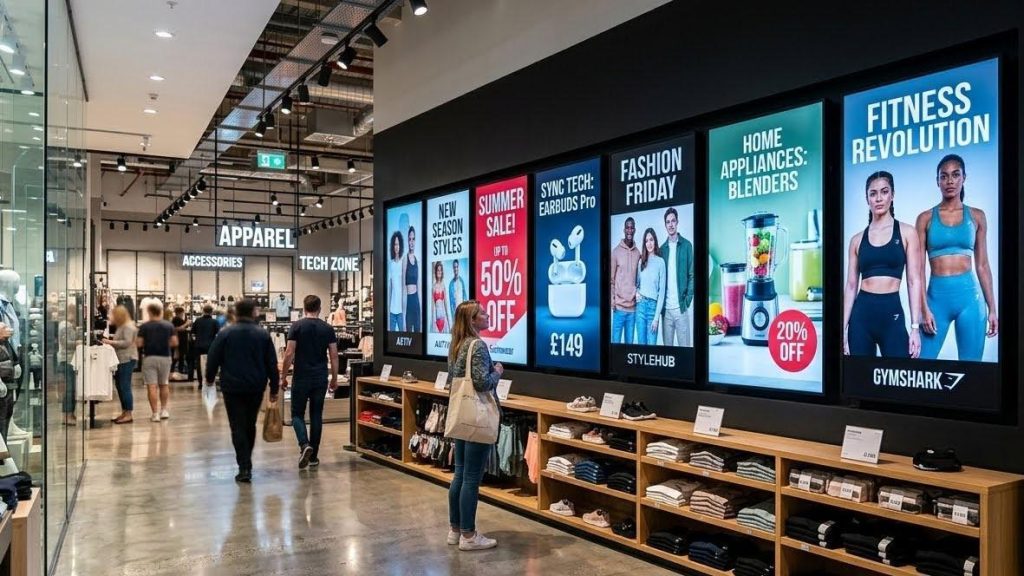
Evaluating the effectiveness of digital signage is essential for proving value, optimising campaigns, and justifying investment. Businesses can use analytics and performance metrics to track engagement, refine strategies, and maximise return on investment.
Tracking Engagement and Audience Interaction
Advanced digital signage platforms provide analytics dashboards that measure viewer engagement, dwell time, and interaction with interactive displays. Organisations can track how audiences respond to various media formats, including images, videos, web pages, and RSS feeds. These insights allow businesses to adjust digital content in real time, ensuring it resonates with potential customers and enhances customer engagement.
Calculating Cost Per Impression and Sales Impact
Digital signage enables precise measurement of campaign effectiveness. Metrics such as cost per impression help businesses assess the value of their displays compared to traditional signage. Furthermore, dynamic content has been shown to drive incremental sales by 5% to 25% and increase average transaction value through targeted visuals. Monitoring these metrics allows organisations to optimise campaigns and improve financial performance across retail, hospitality, and corporate sectors.
Demonstrating ROI Across Industries
Digital signage along with location-based billboard marketing reduce long-term costs by eliminating recurring printing and physical distribution expenses while maintaining high reach. Organisations in various industries—including retail, banking, education, airports, and hospitality—benefit from improved communication quality and consistency. Data-driven insights from digital signs allow businesses to make informed decisions, optimise workflows, and enhance customer engagement, ultimately generating measurable returns on investment.
Continuous Improvement and Optimisation
The ability to analyse content performance and audience behaviour supports continuous improvement. Businesses can A/B test placement, media formats, and interactive features to identify what drives the greatest engagement. Real-time updates and cloud-based digital signage platforms make it simple to implement improvements quickly, ensuring that each screen contributes effectively to marketing, operational, and customer engagement goals.
Maximising Effectiveness with Centralised Control
Centralised management of digital signage enables organisations to control thousands of screens across locations simultaneously. By integrating remote management, scheduling, and analytics, businesses can ensure consistent messaging, monitor performance, and maintain operational efficiency. This approach strengthens brand presence and guarantees that digital signage continues to deliver measurable results over time.
Take Your Business to the Next Level with Digital Signage
Ready to transform your business communications and engage your customers like never before? Msigns offers tailored digital signage solutions for retail, hospitality, education, and corporate environments, helping you deliver dynamic content, interactive experiences, and measurable results. Our range of professional digital media displays, supported by robust software and platforms, enables you to manage, update, and monitor your screens effortlessly.
Whether you want to increase footfall, drive incremental sales, or enhance operational efficiency, our expert team will guide you through every step, from selecting the right displays and software to installation, content strategy, and performance analysis.
Connect with Msigns today to explore how digital signage can elevate your brand, engage audiences, and deliver tangible ROI across all your locations.