Visual communication plays a critical role in shaping how customers perceive a company, and commercial signage is an essential element of this communication, serving not only as a wayfinding tool but also as a reflection of a business’s identity, professionalism, and credibility. Well-designed signage can influence customer behaviour, improve engagement, and contribute to long-term brand recognition.
Within the signage industry, there is a high waste material output, making sustainability and environmentally responsible practices increasingly important for businesses seeking to reduce their environmental impact.
At Msigns, we specialise in providing tailored commercial signage solutions for businesses of all sizes. We are committed to sustainability and continually seek ways to reduce waste and promote eco-friendly solutions, striving to exceed customer expectations in every project. With a significant number of successful projects and years of experience, our team is able to deliver high-quality signage solutions that meet and often surpass industry standards. Customer success is at the heart of our business values, guiding every decision we make. We stay at the forefront of the industry by incorporating the latest innovations in signage technology and design.
From bespoke outdoor signs to digital displays and vehicle graphics, our team ensures that every sign is crafted to meet your business goals, regulatory requirements, and aesthetic preferences. This article explores the scope of commercial signage, its benefits, various types of signs, and considerations for installation and maintenance for UK businesses considering their next signage project.
What is Commercial Signage?
Commercial signage refers to any visual display used by a business to communicate information, promote products or services, guide visitors, or reinforce brand identity. These signs are manufactured to meet specific business needs, ensuring each solution is tailored to the client’s requirements. Unlike residential or purely decorative signage, commercial signage is designed with the primary goal of serving a business function—whether attracting customers, facilitating navigation, or complying with regulatory requirements.
Creating bespoke commercial signs involves dedicated work and a high level of craftsmanship, combining both technical skill and art to deliver effective and visually appealing results.
Key Components of Commercial Signage
- Design and Branding
Commercial signage reflects the brand identity through design elements like colour schemes, typography, and logos. Sign makers develop signage solutions in close collaboration with clients to ensure the final product meets unique requirements and specifications. Consistency across all signage types strengthens brand recognition and professional credibility. - Materials and Durability
Signs are produced using materials suitable for their intended location. For example:
- Aluminium and stainless steel for long-lasting outdoor signage
- Acrylic or PVC for indoor displays
- LED and illuminated options for visibility in low-light conditions
- Functionality and Purpose
Signage serves multiple purposes, including:
- Wayfinding: helping customers navigate complex sites
- Promotional messaging: advertising offers or services
- Safety and compliance: displaying regulations or hazard warnings
- Location and Visibility
Placement is critical. Signs must be visible from relevant angles and distances, comply with planning regulations, and remain readable in varying light conditions.
Clients can watch a video demonstration of the entire signage process, from design to installation, to better understand the expertise involved. Many signage services also include free visualisation, allowing clients to see their project before production begins.
Understanding the Target Audience for Commercial Signage
Providing great signage solutions that are tailored to the unique needs of each industry and business type ensures maximum effectiveness and customer satisfaction. Different types of businesses and locations require tailored commercial signage solutions to be effective.
1. Small and Medium-Sized Enterprises (SMEs)
SMEs often rely on high-quality shop signage to establish a professional presence, attract footfall, and enhance visibility in competitive markets. Common signage for SMEs includes shopfront fascia signs, window graphics, directional signs, and temporary promotional displays.
2. Large Enterprises and Corporate Offices
For larger organisations, commercial signage often serves a dual purpose: branding and navigation. Wayfinding systems, lobby displays, and external building signs are particularly important in this context.
3. Retail Parks and Shopping Centres
Retail parks and shopping centres host multiple businesses in shared spaces, making coordinated signage crucial. Multi-tenant signs, directory boards, and external building signs are commonly used in these environments.
4. Service Providers and Mobile Businesses
For businesses that operate on the move, such as delivery companies, tradespeople, and service providers, vehicle graphics transform everyday vehicles into mobile advertisements. This type of commercial signage reaches a wider audience while reinforcing brand recognition locally.
5. Public Sector and Community Services
Public institutions, including healthcare facilities, schools, educational establishments, and local authorities, also benefit from commercial building signage. For schools, high-quality signage can enhance the overall aesthetic of educational facilities and support branding efforts. Educational facilities often require a variety of signage products for both indoor and outdoor use to meet diverse needs.
Signage such as open evening banners has proven effective in promoting school events and increasing bookings. The focus is often on wayfinding, safety, and accessibility while maintaining clear, professional communication.
How Commercial Signage Can Boost Your Business?
Commercial digital signage displays provide far more than a visual presence outside your premises. When designed and positioned effectively, it can become a key driver of customer engagement, brand recognition, and business growth. Understanding these benefits helps businesses make informed decisions about their signage investments.
1. Enhanced Brand Visibility
A well-designed sign ensures your business is seen and recognised. For high-traffic areas, commercial signage acts as a constant advertisement, reinforcing your brand identity and keeping your business top-of-mind for potential customers. Over time, consistent and professional signage contributes to brand trust and credibility.
2. Improved Customer Navigation and Experience
Wayfinding signage, directories, and directional signs are critical in locations such as retail parks, shopping centres, and office complexes. Clear navigation reduces confusion and frustration, enhances the visitor experience, and minimises staff intervention.
By guiding customers efficiently, commercial signage directly impacts customer satisfaction and operational flow.
3. Effective Marketing and Promotion
Commercial signage can act as a 24/7 marketing tool. Signs can highlight:
- Special offers and promotions
- New product launches
- Seasonal or event-based campaigns
Digital and LED signage allow businesses to update messages in real time, providing flexibility and immediacy in marketing communications.
4. Competitive Advantage
In a crowded marketplace, effective signage helps businesses stand out. Eye-catching designs, illuminated displays, or creative building signs can differentiate a brand from competitors. Signage that communicates professionalism and quality can influence customer choice before they even enter your premises.
5. Cost-Effective Communication
Compared to other forms of advertising, commercial signage is a long-term investment. While upfront costs may vary depending on materials and design, signs continue to advertise your business without ongoing fees. When maintained properly, high-quality signage can last for years, providing a consistent return on investment.
6. Compliance and Safety
For certain businesses, commercial signage also fulfils legal requirements. Safety signage, accessibility indicators, and regulatory notices ensure compliance with UK legislation, protecting both staff and visitors.
7. Environmental and Sustainability Benefits
Modern commercial signage can incorporate sustainable materials and low-energy illumination, reducing environmental impact while maintaining effectiveness. Examples include LED lighting and recyclable materials, which align with corporate social responsibility goals.
Bespoke Signs to Boost Your Branding
Bespoke or personalised signage refers to custom-designed signs tailored specifically to a business’s identity, objectives, and location. Unlike standard or off-the-shelf signs, bespoke solutions allow for complete creative freedom, ensuring that every element—from materials and colours to lighting and typography—reflects the brand’s personality and values.
1. Enhancing Brand Identity
Custom signage provides a unique visual representation of your brand. By carefully selecting materials, colours, and finishes, bespoke signs help businesses:
- Reinforce their corporate identity consistently across all locations
- Communicate professionalism and quality to customers
- Stand out in competitive environments such as high streets, retail parks, or office complexes
For example, a well-crafted external building sign can serve as both a landmark and a branding tool, creating lasting impressions on visitors and passersby.
2. Flexibility in Design and Material Choices
Bespoke signage allows businesses to choose from a wide range of materials, shapes, and lighting options. Common materials include:
- Metal: Aluminium, stainless steel, or brass for durability and premium finishes
- Acrylic and PVC: Lightweight, versatile, and suitable for illuminated or internal signage
- Wood and Composite Materials: Ideal for a natural or traditional aesthetic
Lighting options, including LED backlighting or halo effects, can further enhance visibility and add visual appeal.
3. Tailored to Location and Purpose
Bespoke signs are designed with their environment in mind. Factors such as distance visibility, angle of approach, natural light, and footfall patterns are considered during the design process. This ensures that the signage not only looks attractive but also effectively communicates information to the target audience.
4. Integration with Other Signage Solutions
Custom signs can complement other commercial signage elements, including:
- Directional or wayfinding systems within office or retail complexes
- Vehicle graphics for mobile branding
- Digital signage and interactive displays for dynamic messaging
By integrating bespoke signage with other elements, businesses can create a coherent and professional visual identity that engages customers across multiple touchpoints.
5. Long-Term Value and Return on Investment
Although bespoke signage may require a higher initial investment than standard signs, its longevity, impact, and ability to enhance brand recognition make it cost-effective over time. Quality materials and expert fabrication ensure durability, while tailored design maximises engagement and customer perception.
Built-Up Letters in Commercial Signage
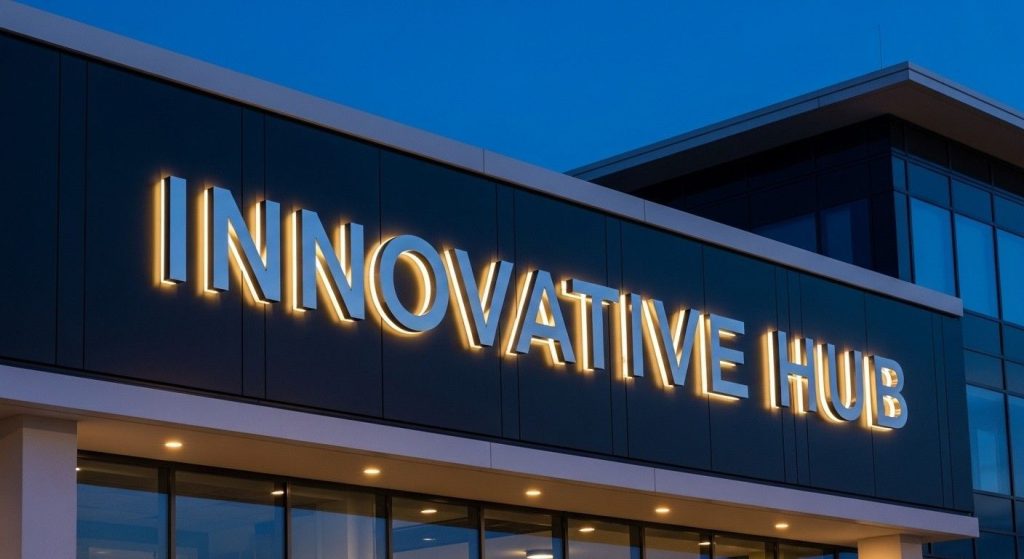
Built-up letters are a popular choice in commercial digital signage, particularly for businesses seeking a premium, three-dimensional look. They are individually crafted letters that stand off the surface of the sign or building façade, creating depth, shadows, and visual impact that flat signs cannot achieve.
Construction and Design of Built-Up Letters
Built-up letters are typically constructed by forming each letter from metal or acrylic and mounting them on a backing panel or directly onto the wall. They can be:
- Hollow or Solid: Hollow letters are lighter and easier to illuminate from within, while solid letters offer greater durability.
- Illuminated or Non-Illuminated: LED modules can be integrated to provide halo lighting, edge-lit effects, or front illumination for night-time visibility.
- Customised in Size and Finish: Depending on the brand and location, letters can vary in thickness, height, and surface finish to achieve the desired visual effect.
The depth and shadow created by built-up letters make them highly effective for attracting attention and enhancing brand perception, particularly on corporate offices, retail buildings, or high-street locations.
Comparing Metal Options
Metal is the most common material for built-up letters due to its strength, durability, and professional appearance. Common options include:
- Aluminium: Lightweight, corrosion-resistant, and easily painted or powder-coated in brand colours.
- Stainless Steel: Premium finish, highly durable, and suitable for exterior use in harsh weather conditions.
- Brass or Copper: Offers a distinctive look for traditional or luxury brands, often used in heritage or high-end applications.
Each metal option varies in cost, longevity, and finish flexibility, making it important to select the material that aligns with both aesthetic and practical requirements.
Sizing and Pricing Considerations
The size of built-up letters depends on viewing distance, location, and regulatory requirements. General guidelines include:
- High Visibility from Distance: Larger letters are needed for roadside or external building signage.
- Indoor Application: Smaller letters are often suitable for lobbies, receptions, or directional signs.
Pricing is influenced by:
- Material choice (metal is generally more expensive than acrylic)
- Letter size and thickness
- Complexity of illumination and installation
Built-up letters provide a long-lasting, high-impact solution for businesses seeking signage that conveys professionalism and brand identity effectively. When combined with strategic placement and lighting, they can become a signature feature of a building or storefront.
Installation & Maintenance of Commercial Signage
The effectiveness of commercial signage extends beyond design and materials; proper installation and ongoing maintenance are essential to ensure longevity, safety, and visibility. Businesses that plan for these elements from the outset benefit from signage that continues to perform optimally over time.
1. Site Survey Steps
Before installation, a thorough site survey is conducted to assess the feasibility and optimal placement of signage. Key steps include:
- Measuring and Mapping: Accurate dimensions of walls, façades, or interiors are recorded to ensure proper fit.
- Assessing Access: Consideration of scaffolding, lifts, or restricted areas is necessary to plan safe installation procedures.
- Lighting and Visibility Analysis: The survey identifies the best angles, distances, and illumination needs for maximum impact.
- Compliance Check: Ensuring the proposed signage adheres to planning permissions, safety standards, and accessibility regulations in the UK.
A comprehensive survey reduces risks, prevents errors during installation, and ensures the sign will meet its intended objectives.
2. Installation Day Procedures
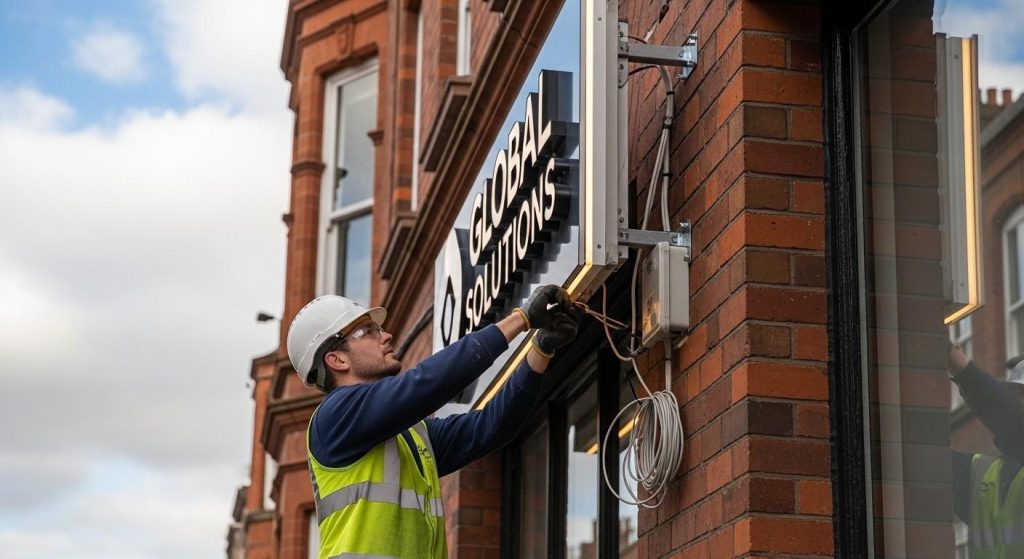
Professional installation involves careful preparation and execution. Typical procedures include:
- Preparation of Mounting Surface: Cleaning and reinforcement to secure signage effectively.
- Precise Positioning: Alignment checks using levels and templates to ensure visual symmetry and readability.
- Electrical and Illumination Setup: For LED or illuminated signs, certified electricians safely connect power sources and test functionality.
- Final Inspection: Each sign is checked for stability, visibility, and aesthetic quality before project completion.
Correct installation not only guarantees safety but also enhances the overall appearance and effectiveness of the signage.
3. Maintenance Packages
Commercial signage requires regular maintenance to remain visually appealing and functional. Common services include:
- Cleaning: Removal of dirt, grime, and environmental buildup to maintain visibility.
- Repair: Fixing physical damage or wear caused by weather, impact, or vandalism.
- Illumination Maintenance: Replacing LED modules or checking electrical connections for illuminated signage.
- Periodic Inspections: Ensuring all signage remains compliant with structural and safety standards.
Maintenance packages can be tailored based on the type of signage, frequency of use, and environmental exposure. Regular upkeep extends the lifespan of commercial signage, protecting the investment and ensuring a consistently professional presentation.
Sustainability Considerations for Commercial Signage
Sustainability has become a key consideration in the modern signage industry. Businesses are increasingly conscious of environmental impact, seeking signage solutions that are both effective and eco-friendly. Sustainable signage practices not only reduce environmental footprint but also demonstrate corporate responsibility to customers and stakeholders.
Eco-Friendly Materials
Many commercial signage options now incorporate environmentally responsible materials, such as:
- Recyclable Metals: Aluminium and steel can be reused or recycled at the end of their lifespan.
- Sustainable Acrylics: Certain acrylics are designed to reduce environmental impact during production.
- Natural or Composite Materials: Wood or composite boards sourced from sustainable forestry provide a more environmentally conscious alternative to plastic.
Selecting eco-friendly materials allows businesses to maintain high-quality signage while reducing resource consumption.
Recycling Policies
Professional sign makers often implement recycling and waste management policies for both production and end-of-life signage. These policies may include:
- Recycling offcuts and unused materials during manufacturing
- Recovering old signs for reuse or safe disposal
- Minimising landfill waste through careful production planning
Effective recycling policies ensure that commercial signage projects contribute to circular economy practices and environmental sustainability.
Low-Energy Illumination Options
Illuminated signage is essential for visibility, but traditional lighting can consume significant energy. Modern commercial signage increasingly uses:
- LED Lighting: Highly efficient, long-lasting, and low-energy compared to fluorescent or incandescent options.
- Solar-Powered Displays: Suitable for outdoor applications, reducing reliance on grid electricity.
- Programmable Illumination: Timed or sensor-controlled lighting reduces energy use during off-peak hours.
In addition to environmental benefits, sustainable commercial signage can enhance a business’s reputation by demonstrating corporate social responsibility, appeal to eco-conscious customers and clients, and align with broader sustainability initiatives within an organisation.
How Expert Sign Makers Can Help You
Creating effective commercial signage requires more than just printing a logo on a board. Expert sign makers combine design, engineering, and installation skills to produce signage that is functional, visually appealing, and compliant with regulations.
1. Professional Design Expertise
Experienced sign makers understand how to translate a brand identity into a visual format that works in different environments. This includes:
- Choosing colours, typography, and finishes that maintain brand consistency
- Designing signage for readability at different distances and angles
- Incorporating lighting or digital elements to enhance visibility
Professional designers also consider regulatory requirements, such as size limitations, planning permissions, and accessibility standards, which are particularly relevant for businesses operating in the UK.
2. Technical and Manufacturing Capabilities
Expert sign makers often have in-house manufacturing facilities, allowing them to control quality and production timelines. Having in-house capabilities reduces delays, ensures high standards, and allows customisation to meet unique business requirements.
3. Accredited Installation Services
Installation is a critical step that affects both the effectiveness and longevity of signage. Professional sign makers:
- Conduct thorough site surveys to assess access, lighting, and placement
- Ensure installations comply with health and safety regulations
- Provide expert mounting, alignment, and electrical connections for illuminated signs
Certified installers also reduce the risk of damage to property or the signage itself during installation, which is essential for costly or complex projects.
4. Ongoing Support and Maintenance
Signage requires regular upkeep to maintain visibility and performance. Expert sign makers often provide maintenance services, including cleaning and inspection, LED or illumination replacements, repairs or refurbishments for weathered or damaged signs.
This support ensures that commercial signage continues to serve its purpose effectively for years, protecting your initial investment.
Our Signage Services for Branding & Visibility
At Msigns, we provide a complete range of commercial signage solutions tailored to your business. From bespoke building signs and digital displays to vehicle graphics and wayfinding systems, our team delivers high-quality, durable signage designed to enhance your brand visibility.
Every project is handled in-house, ensuring precision, consistency, and compliance with UK regulations. Whether you need illuminated letters, retail park signage, or custom promotional displays, Msigns combines design expertise and technical skill to bring your vision to life.
Start Your Commercial Signage Journey with Msigns
Getting started with Msigns is simple. Book a consultation through our website, and our team will guide you from initial design and visualisation to production and professional installation.
We provide clear, detailed quotations for every project, ensuring transparency and confidence. Whether you’re considering bespoke signage, digital displays, or vehicle graphics, Msigns is ready to bring your business vision to life.
Contact Us Now to get a tailored quote for your business signage.