Business signage remains one of the most essential elements of a company’s marketing and brand visibility strategy. In an era where digital marketing dominates strategic plans, many businesses overlook the power of physical signage to establish presence and increase customer engagement.
For UK businesses, well executed business signage serves as an ever-on, location-specific form of marketing. Unlike digital ads which appear and disappear, signage works 24 hours a day to reinforce brand identity and influence consumer behaviour.
Research shows that 76% of consumers entered a store based solely on its sign, highlighting the significant impact of good signage. Whether on high streets, in retail parks or outside offices and commercial premises, the right business signage can enhance brand recall, foster trust and drive more visits from passersby.
Drawing on professional signage expertise from Msigns, this guide explains the strategy, design principles, high quality materials, installation and compliance factors for business signs.
What Are Business Signs?
Business signs refers to any physical sign or graphic used to communicate a company’s brand, services or messaging to current and potential customers. It includes a broad range of visual communication tools from exterior shop signs and fascia boards to interior signage, vehicle graphics, exhibition displays, and digital prints.
Custom signs can be used for various purposes, such as promoting products, giving directions, and health and safety signage, to serve the needs of both clients and staff. The purpose of business signage is not just to identify a business’s physical location but also to communicate brand identity, reinforce messaging consistency and create a memorable visual impression.
The strategic placement of signage can significantly impact foot traffic. Signs that are visible from a distance, aligned with sightlines, and designed with clear messaging encourage passersby to stop, explore and enter a business.
In retail or high street environments, compelling signage helps a business stand out among competitors and signals credibility and quality to prospective customers.
Types of Signs for Modern Businesses
In today’s fast-paced and highly competitive marketplace, modern businesses need to leverage a diverse range of business signs to attract customers and stand out from the crowd.
Custom signage is a powerful tool for communicating your brand message, values, and personality to both prospective and existing customers.
Outdoor Business Signage
Custom outdoor business signs are the first point of contact between your business and the public. Banners, flags, and building signs are designed to grab attention, direct foot traffic, and make your location easy to find. These exterior signage solutions are especially effective in high-traffic areas, helping your business stand out on busy streets and ensuring that potential customers don’t miss your shop or office.
For outdoor use, it’s crucial to select durable, weather-resistant materials that maintain their appearance and effectiveness in all conditions, ensuring your brand always makes a great first impression.Outdoor signage materials like powder-coated aluminum offer durability against elements.
Indoor Business Signage
Indoor signage plays a vital role in guiding visitors, promoting products, and sharing important information once customers are inside your premises. Effective signs should be clear and concise, ideally understood in 2–5 seconds.
Window graphics, acrylic signs, and large format print products can transform your interior, reinforce your brand colours, and create a cohesive, professional environment. These custom signs outperform standard signs as they support your marketing efforts by highlighting key services, promotions, or directions within your store or office.
Why Outdoor Signs Matter for First Impressions
Research consistently shows that people form impressions within seconds of encountering a physical space.
Outdoor signage plays a central role in this process by signalling professionalism, trustworthiness and brand positioning. A clean, well-designed sign suggests that a business is established and reliable, while outdated or poorly maintained signage can create doubt and reduce confidence before a customer even engages.
Clear and prominent outdoor business signage reduces friction for potential customers. When people can immediately understand what a business offers and where it is located, they are more likely to enter.
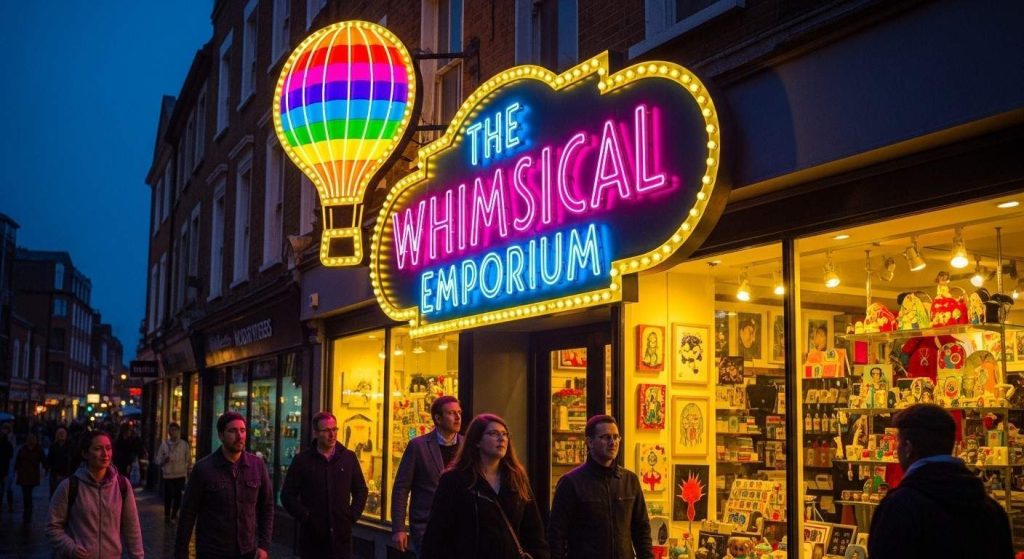
Illuminated signs and clear exterior signage help customers easily find the business, especially in low-light conditions. This is especially important for businesses relying on walk-in trade, such as retail shops, restaurants, salons and local service providers.
Outdoor business signage also reinforces location awareness. Even when customers do not enter immediately, repeated exposure helps build familiarity and trust over time. This cumulative effect strengthens brand recall and increases the chance that a customer will return when the need arises. Notably, illuminated signs have an 83% recall rate, nearly double that of traditional advertising, making them highly effective for brand recall.
Window Graphics and Lettering for Maximum Street-Level Impact
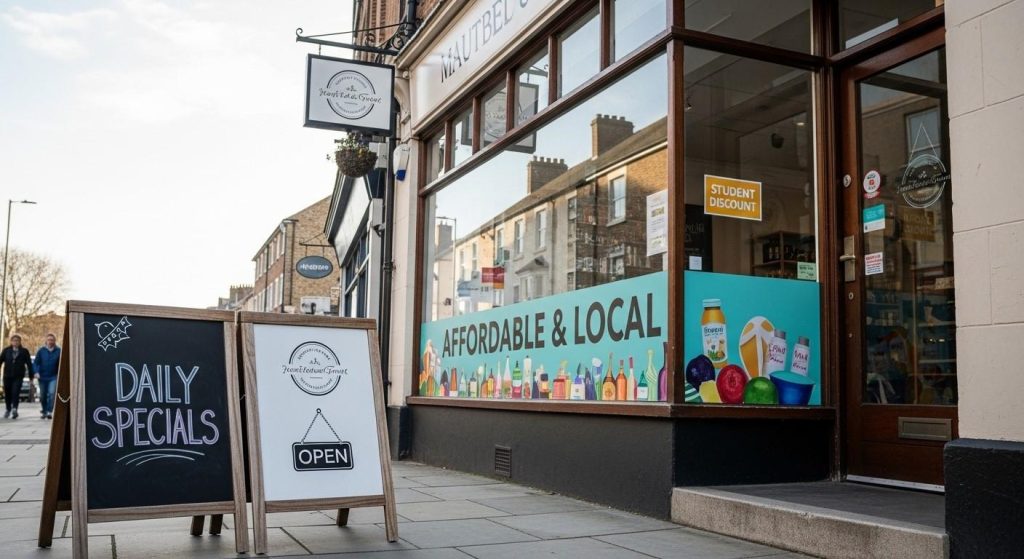
Window graphics and lettering are among the most versatile and cost-effective forms of business signs. They allow businesses to utilise existing glass surfaces to communicate brand messages, promote services, and enhance visual appeal without requiring structural changes. For UK businesses operating on high streets or in shared commercial spaces, window-based signage offers high visibility while remaining flexible and affordable.
Strategically placing window graphics and pavement signs can be highly effective for directing foot traffic toward the shop entrance or specific areas during promotions or events.
Benefits of Window Graphics for Businesses
Window graphics transform unused glass into valuable marketing space. They can be used to display logos, opening hours, key services, promotional messages, or brand imagery, all while maintaining natural light inside the premises. From a branding perspective, window business signage reinforces visual identity at street level, ensuring that passersby clearly understand who the business is and what it offers.
In addition, window graphics can provide privacy for interior spaces while still allowing light transmission. This is particularly beneficial for offices, clinics, salons, and gyms where discretion is important but external visibility remains essential.
Design Principles for an Effective Business Sign
The key points of effective signage design include ensuring readability, maximising visibility, and delivering a clear message to viewers. Regardless of size, location, or budget, a sign must communicate clearly, align with brand identity, and remain legible in real-world conditions.
Prioritising Legibility at Typical Viewing Distances
Legibility is the most critical factor in signage design. A business sign must be readable at the distance from which it is most commonly viewed, whether by pedestrians or drivers. Sign size should be adjusted based on viewing distance.
Key legibility principles for business signs include:
- Using big and bold font improves readability, especially from a distance.
- Using logos or images can effectively communicate a brand’s message without excessive text.
- Maintaining strong contrast between text and background
- Allowing adequate spacing between letters and lines
Well-designed business signage enables viewers to process information within seconds, which is essential in fast-moving environments such as high streets and roadside locations.
Using Brand Colours Consistently Across Signage
Consistency in colour use is vital for strengthening brand recall. Business sign should reflect the same colour palette used across a company’s website, printed materials, and digital platforms. This consistency helps customers associate visual elements with the brand more easily, reinforcing recognition over time.
When applying brand colours to business signage, it is important to:
- Ensure sufficient contrast for readability
- Adapt colours for outdoor lighting conditions
- Avoid excessive colour combinations that create visual noise
Colour psychology also plays a role. Bold, confident colours can attract attention, while muted tones may convey professionalism and trust. The correct balance depends on brand positioning and audience expectations.
Crafting a Clear and Concise Call-to-Action
An effective business sign does more than identify a location; it encourages action. A clear call-to-action (CTA) guides customers on what to do next and can significantly improve engagement.
Common CTA approaches in business signage include:
- Encouraging entry (“Visit Us Today”)
- Prompting contact (“Call Now”)
- Highlighting availability (“Open 7 Days”)
- Promoting urgency (“Limited Time Offer”)
CTAs should be concise and placed where they naturally draw attention without overwhelming the main brand message.
Choosing Bold, Readable Fonts for Business Signs
Font selection has a direct impact on readability and brand perception. Sans-serif fonts are often preferred for outdoor business signage due to their clarity at distance. Decorative or script fonts may be suitable for niche brands but should be used sparingly and tested for legibility.
Best practices for font selection include:
- Limiting the number of fonts to one or two
- Avoiding highly stylised typefaces for core messaging
- Ensuring consistent font use across all business signs
A clean, professional font enhances credibility and ensures that signage communicates effectively across various environments.
Sign Printing and Production Tips That Prevent Costly Mistakes
Even the most well-designed business signage can fail if printing and production are not handled correctly. Errors at this stage often lead to delays, additional costs, and inconsistent brand presentation. Understanding the technical requirements of sign production helps businesses achieve accurate results while maximising the lifespan and effectiveness of their signage investment.
Preferred File Formats for Professional Sign Printing
Supplying correct artwork files is essential for high-quality output. Professional sign printers typically require vector-based formats to ensure scalability without loss of clarity.
Recommended file formats for business signage include:
- PDF (print-ready with embedded fonts)
- AI or EPS (vector formats for logos and text)
- SVG (for scalable designs)
Raster formats such as JPEG or PNG should only be used when necessary and must meet resolution requirements to avoid pixelation during large-format printing.
DPI and Colour Mode Requirements
Resolution and colour mode play a critical role in print accuracy. Business signage intended for large-format printing does not require extremely high DPI, but it must meet minimum standards to ensure sharpness.
Key production guidelines include:
- Minimum resolution of 150–300 DPI at final print size
- Use of CMYK colour mode rather than RGB
- Avoidance of colour profiles that may shift tones during printing
Accurate colour reproduction is particularly important for maintaining brand consistency across multiple signage applications.
Choosing the Right Substrate for Each Location
The choice of substrate determines both the appearance and durability of business signage. Different environments require different materials to perform effectively.
Common substrate considerations include:
- Indoor vs outdoor placement
- Exposure to weather and sunlight
- Mounting method and surface type
Selecting the appropriate substrate ensures that business signs remains visually effective and structurally sound throughout its intended lifespan.
Materials, Durability, and Weather Resistance in UK Conditions
The performance and longevity of business signage depend heavily on the materials used. In the UK, where weather conditions can vary significantly throughout the year, selecting durable and weather-resistant materials is essential. The right material choice not only protects the sign but also preserves brand appearance and reduces long-term maintenance and replacement costs.
Shop signs, including banners, flags, and A-frame signs, are designed for durability and visual impact. Banners are a popular and versatile option for business signage that can last for 2–5 years depending on weather conditions and sun exposure. Flags are a durable and weather-resistant option for outdoor business signs. A-Frame signs are freestanding signs that are easy to move and can convey information or promotions.
Pylon and pole signs are tall structures designed for long-distance visibility, making them ideal for attracting attention from afar. Fascia signs are mounted above storefronts and serve as primary brand identifiers, helping customers easily locate your business. Monument signs provide a permanent and professional look, while blade signs are mounted perpendicular to building facades for enhanced pedestrian visibility. Illuminated signs, such as LED signs, are more easily seen at any time of the day or night, ensuring your business stands out regardless of lighting conditions.
Comparing Aluminium, Acrylic, and Timber Signage
Different materials offer distinct advantages depending on location, budget, and brand style. Understanding these options helps businesses make informed decisions when investing in business signs.
Aluminium signage
- Lightweight and corrosion-resistant
- Ideal for outdoor business signage and fascia signs
- Long lifespan with minimal maintenance
Acrylic signage
- Smooth, high-gloss finish for a premium appearance
- Commonly used for interior business signage and 3D lettering
- Suitable for sheltered outdoor areas
Timber signage
- Natural, distinctive aesthetic
- Popular with hospitality and boutique brands
- Requires regular treatment to withstand UK weather
Each material contributes differently to brand perception, making it important to align material choice with business identity and environmental exposure.
Recommending UV-Resistant Inks for Outdoor Signs
Prolonged exposure to sunlight can cause colours to fade, reducing the visual impact of business signage. UV-resistant inks are specifically designed to maintain colour vibrancy and clarity over time, even in direct sunlight.
Key benefits of UV-resistant inks include:
- Extended colour longevity
- Reduced maintenance requirements
- Consistent brand appearance
For businesses seeking long-term outdoor business signs, UV protection is a critical consideration.
Business Signage Ideas for Small Businesses: Budgeting and ROI
For small businesses, investing in business signage requires a careful balance between cost and long-term value. While budgets may be limited, effective signage can deliver consistent returns by increasing visibility, reinforcing brand identity, and driving customer engagement. Understanding how to budget strategically and measure return on investment ensures that business signs contribute directly to sustainable growth.
Creating Practical Budget Tiers for Business Signage
Not all business signs require a large upfront investment. By categorising signage options into budget tiers, small businesses can choose solutions that align with their financial capacity while still achieving visibility goals.
Entry-level signage options
- Window lettering and vinyl graphics
- Pavement signs and temporary boards
- Printed banners for promotions
Mid-range signage solutions
- Fascia signs and shop front signage
- Illuminated lightbox signs
- Vehicle graphics for mobile branding
Premium long-term investments
- Built-up or 3D lettering
- Totem signs and freestanding structures
- Fully bespoke exterior business signage
Selecting signage within the appropriate tier allows small businesses to scale their branding efforts over time.
Estimating Sign Lifespan and Replacement Costs
The lifespan of business signage varies depending on materials, placement, and exposure to environmental factors. Short-term signage may last months, while permanent signage can remain effective for several years.
When planning signage budgets, businesses should consider:
- Expected lifespan of each sign type
- Maintenance and cleaning requirements
- Replacement costs due to rebranding or wear
Evaluating signage costs over time provides a clearer picture of value rather than focusing solely on initial expenditure.
Measuring ROI Through Foot Traffic and Brand Recognition
Measuring the return on investment of business signage involves assessing both direct and indirect benefits. While increased foot traffic is one of the most measurable outcomes, brand recall and customer trust also contribute significantly to long-term success.
Common methods for evaluating ROI include:
- Comparing foot traffic before and after installation
- Monitoring enquiry rates and walk-ins
- Observing repeat visits and customer recognition
Well-planned business signage often delivers one of the highest returns among local marketing tools due to its continuous exposure and durability.
Regulations, Permits, and Accessibility for Business Signs in the UK
Compliance with local regulations is a critical but often overlooked aspect of business signage. In the UK, signage is subject to planning controls designed to protect public safety, visual amenity, and accessibility. Failing to meet these requirements can result in fines, forced removal, or reputational damage.
Common UK Signage Permit Requirements
Many types of business signage fall under planning control, particularly those installed externally. Requirements vary by local authority, but certain signage types are more likely to require consent.
Types of signage that may require planning permission includes:
- Illuminated signs
- Large fascia or projecting signs
- Freestanding totem or pole signs
- Signs in conservation areas or on listed buildings
Local councils assess signage applications based on size, placement, design, and impact on surroundings. Consulting signage professionals early in the process can help businesses navigate these requirements efficiently.
Let Your Brand Stand Out with Professional Signage
At Msigns, our experienced team is dedicated to delivering high-quality, customised business signage with a commitment to exceptional customer support and craftsmanship. We take pride in doing a professional job, ensuring every sign delivers impact and value.
Our creative signage makes a bold statement, helping your business stand out in the industry and attract attention. Working with our team makes the process easier and more manageable, improving everyday business life. For businesses seeking to improve visibility and brand recall, choosing a trusted provider is a perfect way to ensure that signage investments deliver measurable results.
Get in touch today to discover how our bespoke solutions can make your brand stand out.
Frequently Asked Questions
How much does signage cost for a business?
Signage costs vary widely depending on size, materials, design complexity, and installation. Basic signs like window graphics or banners can start from a few hundred pounds, while custom outdoor signs or illuminated displays may cost several thousand.
What is signage for a business?
Business signage refers to any physical signs or graphics used to communicate a company’s brand, services, or messages to customers. This includes outdoor signs, indoor displays, vehicle graphics, and promotional posters.
What is the typical cost of shop signage in the UK?
Typical shop signage costs in the UK range from £200 to £2,500 or more, depending on the type of sign, materials used, and whether it is illuminated or custom-designed.
What are the legal requirements of signage within a business?
Legal requirements include obtaining planning permission for certain types of signs, adhering to size and lighting restrictions, and ensuring signs meet accessibility standards such as including tactile characters or Braille where applicable.